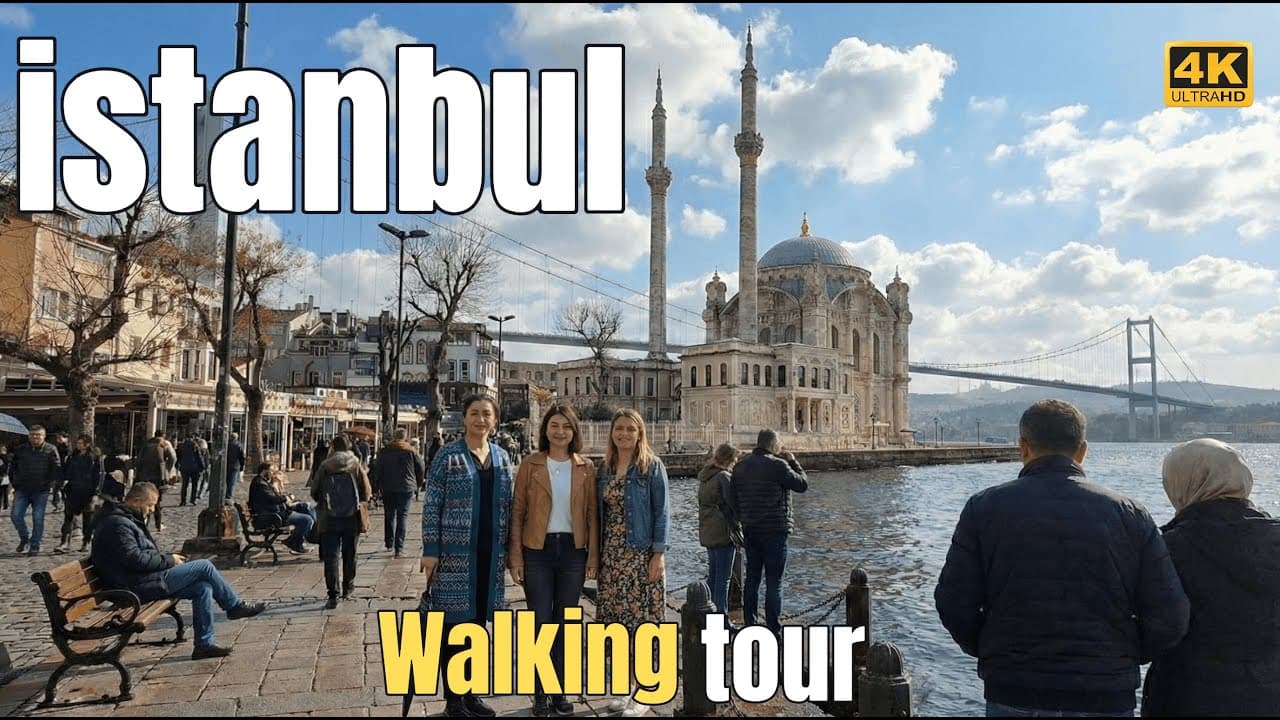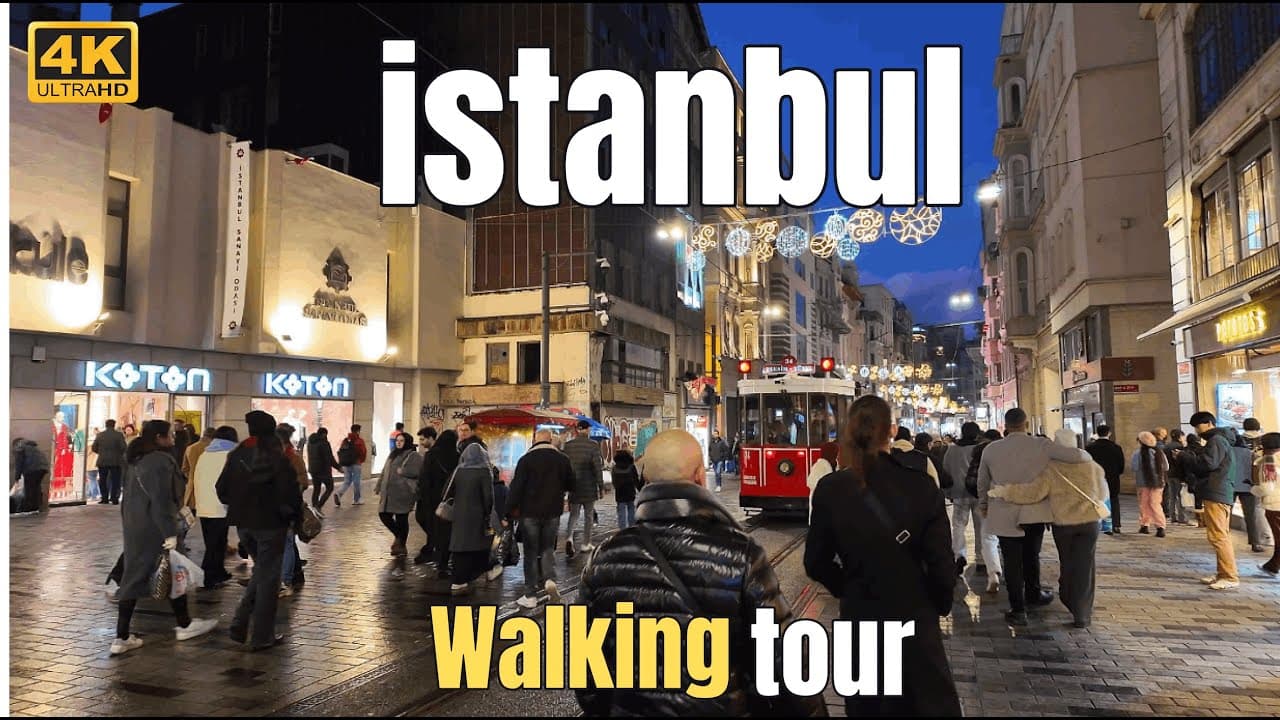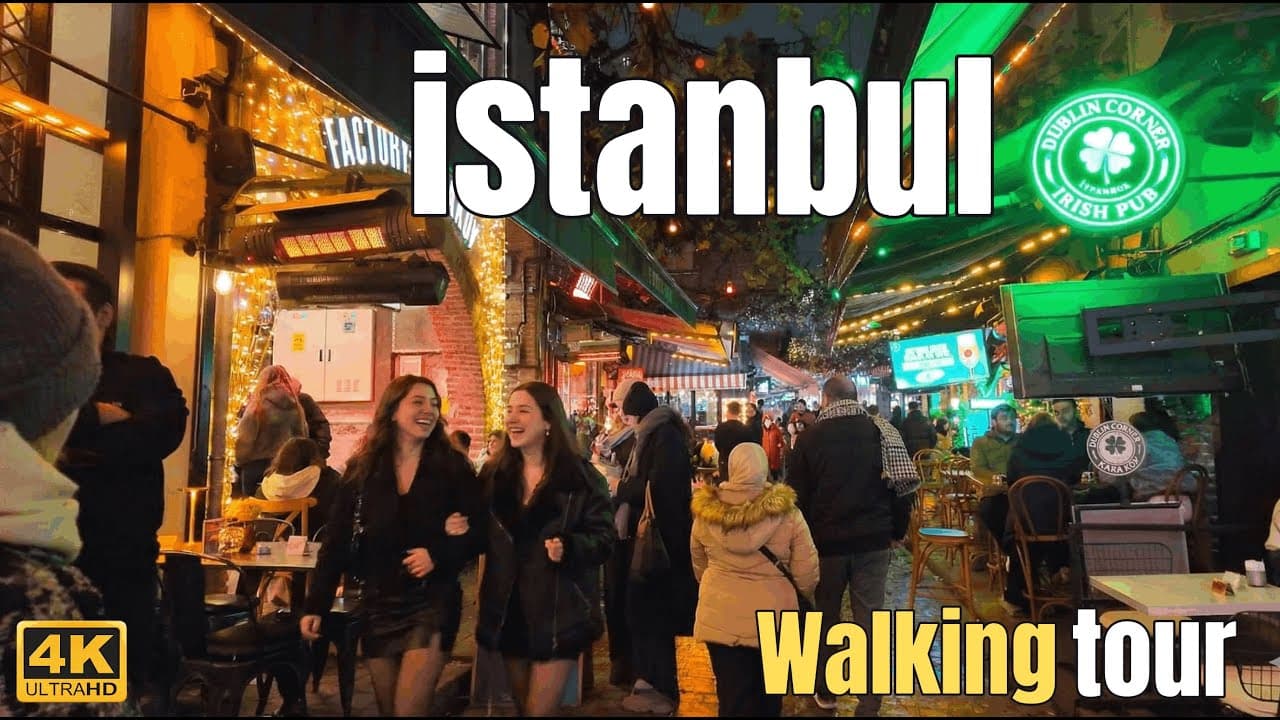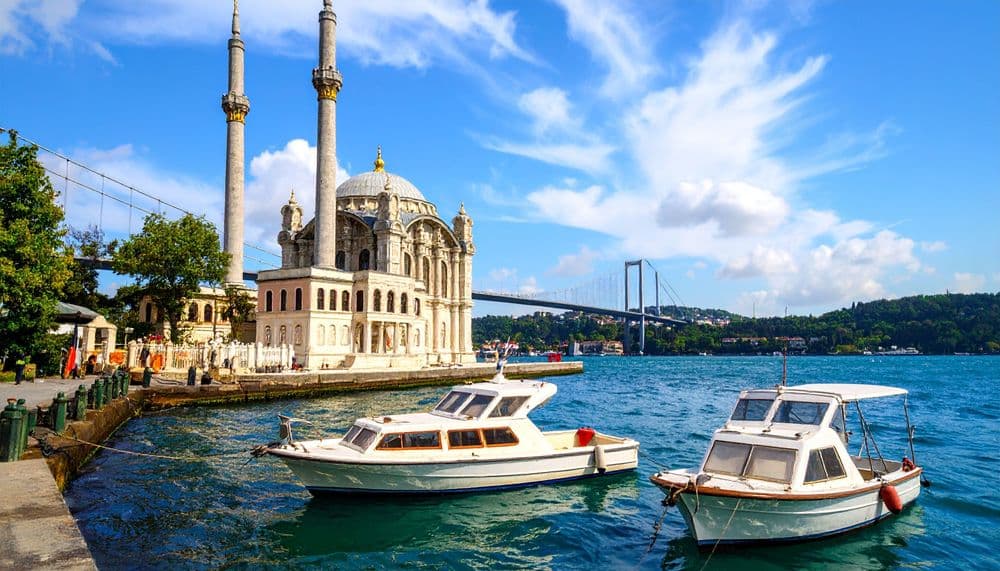
Plan Besiktas centre around Dolmabahce Palace, the market and fish market, the Naval Museum, Yildiz Park and Ciragan.
Walk this route
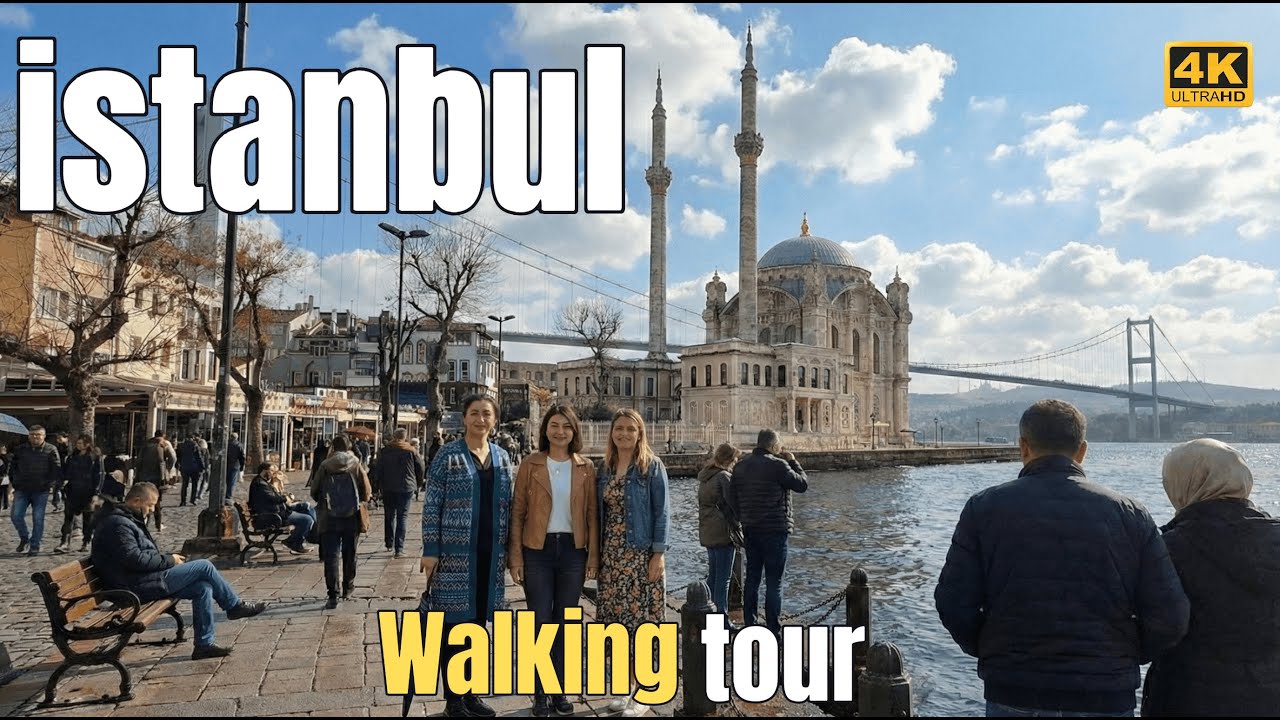
Istanbul Walking Tour 4K – From Beşiktaş to Ortaköy Along the Bosphorus Waterfront
Watch the 4K walkPlaces on the map
12 pinsNumbers match the order in the article. Tap a pin for directions.
Besiktas centre: palaces on one side, a market quarter on the other
Besiktas sits on the Bosphorus shore on Istanbul's European side, and it runs on two engines at once. Along the water you get a string of imperial buildings, from Dolmabahce Palace up to Ciragan, with a naval museum and two fine mosques in between. A few steps inland, one of the city's liveliest market quarters takes over: breakfast tables spill into the lanes in the morning, fishmongers shout their prices at midday, and ferry crowds pour across the square in the evening.
Football is part of the daily texture too. The Besiktas JK stadium sits directly beside Dolmabahce Palace, the eagle statue on the square is the classic meeting point, and on match days the market turns black and white. The famous Carsi supporter group is literally named after this market.
The most common mistake visitors make is touring Dolmabahce and leaving straight after. The palace is worth the trip, but the district's real character shows up in the market, on the ferry pier and in Yildiz Park on the hill. Give the morning to the palace and the afternoon to the neighbourhood and you will have seen both faces.
Quick answer
Besiktas centre packs the Dolmabahce and Ciragan palaces, a tomb and a mosque designed by Mimar Sinan, and one of Istanbul's busiest market quarters into a single walkable area on the Bosphorus.
- Arrive at Dolmabahce for opening time; the queue is at its shortest then.
- Save one morning for the breakfast streets in the market, the local ritual here.
- Yildiz Park is a steady uphill walk, so bring comfortable shoes and water.
12 places to see in central Besiktas
1. Dolmabahce Palace
Dolmabahce was the seat of the late Ottoman government, a long European-style palace stretched along the shore. The giant chandelier in the Ceremonial Hall, the crystal staircase and the seafront garden are what most visitors remember. The palace also holds a heavy place in modern Turkish history: Ataturk spent his final days here and died in the palace on the morning of 10 November 1938, at five past nine. The room is on the visitor route, and several clocks in the palace are kept set to that moment.
Practical notes: tickets are timed, and the queue is shortest right at opening, growing sharply towards midday as tour groups arrive. The Harem is usually visited as a separate section, sometimes on a separate ticket, so settle that at the entrance. Expect a bag check and photography rules inside. Opening days and hours shift with the season, so verify them on the official National Palaces site before you go.
2. Dolmabahce Mosque and the Clock Tower
Near the palace gate on the Kabatas side, right at the water's edge, the Dolmabahce Mosque was completed in 1855. Commissioned in the name of Bezmialem Valide Sultan and built by the Balyan family, the same dynasty of architects behind the palace, it looks nothing like a classical Ottoman mosque: slender minarets, unusually large windows and an interior as bright as a palace hall. It is open outside prayer times; dress with shoulders and knees covered.
Between the mosque and the palace gate rises the clock tower, added in the 1890s under Sultan Abdulhamid II. The four-storey tower, roughly 27 metres tall, frames one of the district's most photographed corners together with the palace facade and the water. Both are free, and both sit on the natural walking route from Kabatas, so ten minutes here makes an easy warm-up before the palace queue.
3. The Naval Museum
The Naval Museum faces the ferry square, which makes it the easiest add-on of the whole day. Its star exhibits are the imperial caiques, the long, slim, gilded rowing barges the sultans used on the Bosphorus. They are displayed at full size in a purpose-built gallery, and some needed dozens of oarsmen; photographs do not prepare you for the scale of them.
Around the caiques you will find ship models, charts, banners and objects from Ottoman naval history, enough to fill one to two hours without wearing you out. Because the museum sits beside the pier, it slots naturally in before or after a ferry ride. Opening days and hours change from time to time, so check the current information from an official source before visiting.
4. The Barbaros monument and tomb
The square opposite the Naval Museum belongs to Barbaros Hayreddin Pasha, the most famous admiral of the Ottoman fleet and the victor of the Battle of Preveza in 1538. The fleet used to anchor off Besiktas before setting sail, which is why his memory is anchored here too. The large monument on the square went up in 1944, a joint work by the sculptors Zuhtu Muridoglu and Ali Hadi Bara.
The octagonal tomb beside it is far older and far more significant: Mimar Sinan built it in 1541, and it counts among his early works in Istanbul. Its plain cut-stone body makes a quiet contrast with the palaces a few hundred metres away. The interior is not always open, but even the exterior shows Sinan's sense of proportion. The square doubles as the hinge of the whole area, two minutes from both the pier and the market.
5. Sinan Pasha Mosque
On the main street at the edge of the market, the Sinan Pasha Mosque is one of the most valuable and least noticed buildings in the district. Mimar Sinan designed it for the admiral Sinan Pasha, and it was completed in the mid-1550s. Its hexagonal plan recalls the Uc Serefeli Mosque in Edirne, which makes it a rewarding stop for anyone interested in how Sinan experimented with older forms.
This is not a museum but a working neighbourhood mosque. Retired men chat in the courtyard, market trolleys rattle past the gate, and Friday prayers fill it completely. You can step inside outside prayer times; a headscarf for women and modest clothing are enough. Since it sits in the middle of any market walk, no detour is needed, just go in as you pass.
6. The Besiktas market and breakfast streets
Walk inland from the pier and the streets narrow into the Besiktas market: greengrocers, nut shops, kofte places, second-hand booksellers and cafes packed together. This is a student quarter, so prices stay reasonable compared with the tourist centres. The fish market inside is the loudest corner, with the day's catch laid out on ice and nearby restaurants ready to cook whatever you pick. Ask the price before ordering; it is the local habit and it prevents surprises.
The district's true ritual, though, is breakfast. A couple of lanes in the market are given over almost entirely to breakfast houses, and on weekend mornings the spread-style Turkish breakfast fills tables out into the street, queues included. Weekdays are calmer. On match days the market shifts identity again: shirts, chants and crowds around the eagle statue show how deeply this neighbourhood and its football club are entangled.
7. The Besiktas pier and ferries
The pier is the front door of the district, and the ferries that leave from it count as sightseeing in their own right. Regular services cross to Uskudar and Kadikoy, and in those fifteen to twenty minutes you pass the Maiden's Tower, the old city skyline and the working traffic of the strait. A city ferry gives you much of what a tourist cruise sells, for the price of a standard fare paid with an Istanbulkart.
The area around the pier stays busy all day: simit sellers, tea stands, students waiting for the next boat and gulls trailing every departure. The evening rush is the most crowded moment, but it is also the best time to stand on deck and watch the sun drop behind the city. Crossing over and back takes about an hour and is the cheapest pleasure Besiktas offers.
8. The Akaretler row houses
Climbing from the square towards Macka along Suleyman Seba Avenue, the Akaretler row houses were built in the 1870s as housing for palace officials, another Balyan family project. The long, orderly neoclassical terraces count among Istanbul's first examples of planned mass housing. Restored, they now hold boutiques, cafes, galleries and hotels.
The row carries real history as well: Ataturk stayed in one of these houses with his mother Zubeyde Hanim in 1918 and 1919, and that building has been arranged as a museum house; ask locally whether it is open. The uphill walk makes a good change of pace after the crush of the market. Be aware that the cafes here charge noticeably more than those down in the market, so sit down knowing that. From the top of the slope you can continue to Macka Park.
9. Ihlamur Pavilion
A fifteen to twenty minute walk north from the market, through ordinary residential streets, brings you to the Ihlamur Pavilion. Sultan Abdulmecid had this small retreat completed in 1855, and it takes its name from the linden trees that once filled the valley. The Ceremonial Pavilion carries an amount of carved stonework that is startling for its size; the second building, the Retinue Pavilion, is plainer.
Think of it as Dolmabahce's small, quiet relative. Crowds are rare, the garden works as a breathing space for the surrounding neighbourhood, and the tea garden makes the natural pause of the walk. Interior visits are ticketed and opening days can change, so check the current National Palaces information before you go. For anyone worn down by the big palace crowds, this is the stop we recommend most.
10. Yildiz Park
Yildiz Park spreads over the hillside behind Ciragan, once an imperial grove and now the district's largest green space. The main gate is on Ciragan Avenue. Wooded paths, a pond and glimpses of the Bosphorus from the upper slopes make it a good recovery from the crowds along the shore. Tulips in spring and turning leaves in autumn are its most photogenic seasons.
An honest warning: the park is genuinely steep. The climb from the gate to the pavilions is continuous, and on hot days it is tiring. Wear comfortable shoes, carry water and take it slowly. On weekday mornings the park is nearly empty; at weekends it fills with families and picnics. Entry on foot is free. The best way out is downhill to the Ciragan gate, then along the shore back towards the pier.
11. The Malta Pavilion
In the upper part of Yildiz Park, the Malta Pavilion was built in the era of Sultan Abdulaziz as one of the pavilions of the imperial grove. With its white facade, wide terrace and Bosphorus views filtered through the trees, it is the reward at the top of the climb. Today it operates as a cafe and restaurant, and most people come for breakfast or tea; finding a table on a weekend morning can take patience.
Reaching it means tackling the steepest stretch of the park, so plan for that. If you would rather not climb the whole way, the Cadir Pavilion tea garden lower down makes a gentler alternative. The building itself is not toured like a museum; the point is sitting on the terrace. Opening arrangements change from time to time, so if you are coming specifically for breakfast, calling ahead is sensible.
12. Ciragan Palace
Ciragan Palace runs along the shore between Besiktas and Ortakoy, built between 1863 and 1867 for Sultan Abdulaziz. A fire in 1910 gutted the interior, and the shell sat derelict for decades until a restoration in the 1990s turned it into a luxury hotel. So this is not a palace you tour as a museum; the interiors are reserved for hotel guests and diners with reservations.
For everyone else, the pleasure is the shore walk. The waterfront path from Besiktas pier towards Ortakoy passes directly in front of the marble facade, the walk is free, and the Bosphorus keeps you company the whole way. Photographing the facade and carrying on to Ortakoy square is the classic way to end a Besiktas day. If you want tea or a meal inside the hotel, book ahead.
Getting there
The most enjoyable approach is by water: regular city ferries run to Besiktas pier from Uskudar and Kadikoy, and once you step off, the square, the museum and the market are all within a short walk. Check the Sehir Hatlari timetable for departure times.
Buses reach Besiktas square from almost every direction, with frequent services from Taksim, Kabatas, Sariyer and Mecidiyekoy. If you come by tram, the T1 line ends at Kabatas: from there it is a five to ten minute walk along the shore, past the stadium, to the Dolmabahce gate, and about fifteen minutes to Besiktas square. That walk conveniently passes the clock tower and the mosque. An Istanbulkart covers ferries, buses and trams alike and is the practical choice.
When to go
Spring and autumn are the best seasons; the weather suits walking, and the Yildiz Park climb is far less punishing than in summer heat. In summer the Dolmabahce queues grow long, while in winter the ferry crossing is windy but the whole district is calmer.
Order matters within the day: see the palace at opening time, eat in the market or fish market at midday, and head up to Akaretler or Yildiz Park in the afternoon. Palaces and museums may close on certain days, Monday in particular, so build your day around that and verify hours officially. Match days transform the square and the market: a great spectacle if you want the atmosphere, the wrong day if you are planning a quiet palace visit.
Eating and drinking
Breakfast is what this district is known for. The breakfast lanes in the market offer everything from the full spread to a simple plate of menemen; expect queues on weekend mornings, and come on a weekday if you prefer it calm.
For lunch, the fish market area is the right call: fresh fish, mussels or a fish sandwich eaten standing up. Ask prices before you order, especially at the fish restaurants. Kofte is the other local classic, and the old kofte houses in the market do a solid plate with piyaz and ayran. For a quieter, dressier sit-down, the Akaretler cafes work well, with the caveat that they cost noticeably more than the market. The two best tea stops are the stands around the pier and the pavilions in Yildiz Park.
Frequently asked questions
**Do I need to book Dolmabahce Palace tickets in advance?** In season the queues get long, so arriving early or arranging tickets ahead saves real time. Tickets are timed, and the Harem is sometimes on a separate ticket. Check the current arrangement on the official National Palaces site.
**How much time does central Besiktas need?** A full day works best: the palace and its surroundings in the morning, the market at midday, then Yildiz Park or the Ihlamur Pavilion in the afternoon. If you only see the palace, half a day is enough, but you will miss the character of the district.
**Is Yildiz Park free?** Entry on foot is free. The pavilions and tea gardens inside are run separately, so you pay if you sit down. The park is steep, and comfortable shoes are essential.
**Is it a problem to visit on a match day?** Not a problem, but go in knowing what to expect: the square, the market and the streets around the stadium get very crowded in the hours before kick-off, and some roads may close. It is a memorable scene for football fans and the wrong day for a quiet palace visit.
**Can you visit Ciragan Palace?** Not as a museum; the building operates as a luxury hotel. You can see the facade for free from the shore walk. Going inside for tea or a meal requires a reservation.
Planning questions
What does this İstanbul guide cover?
Plan Besiktas centre around Dolmabahce Palace, the market and fish market, the Naval Museum, Yildiz Park and Ciragan.
Can I watch a 4K walking tour of İstanbul?
Yes. The page links to Travel Walk Tours films so you can preview the İstanbul route on a big screen before you go.
How should I use this page to plan?
Read the quick answer first, skim the route notes, then compare street texture, timing, and nearby guides through the linked city page and walking films.