Plan the Datca peninsula around Knidos ancient city, Palamutbuku, Ovabuku, Hayitbuku and the quiet bays with realistic driving distances.
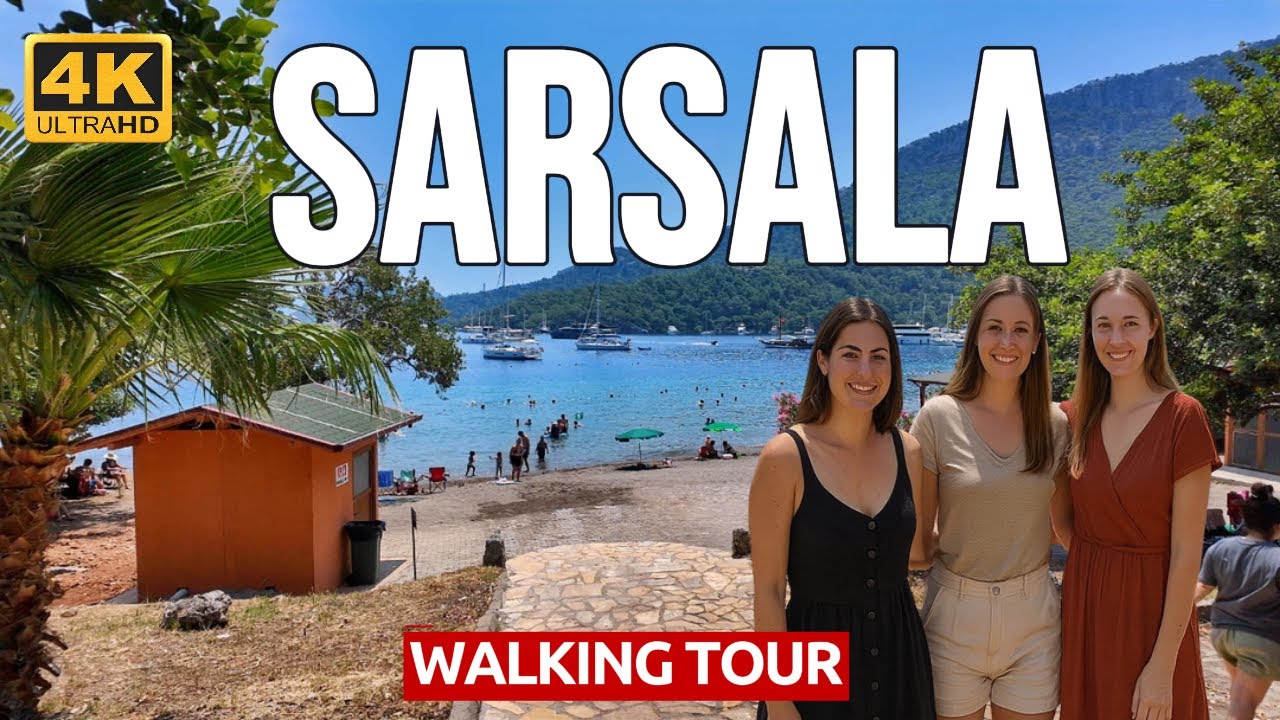
Walk this route
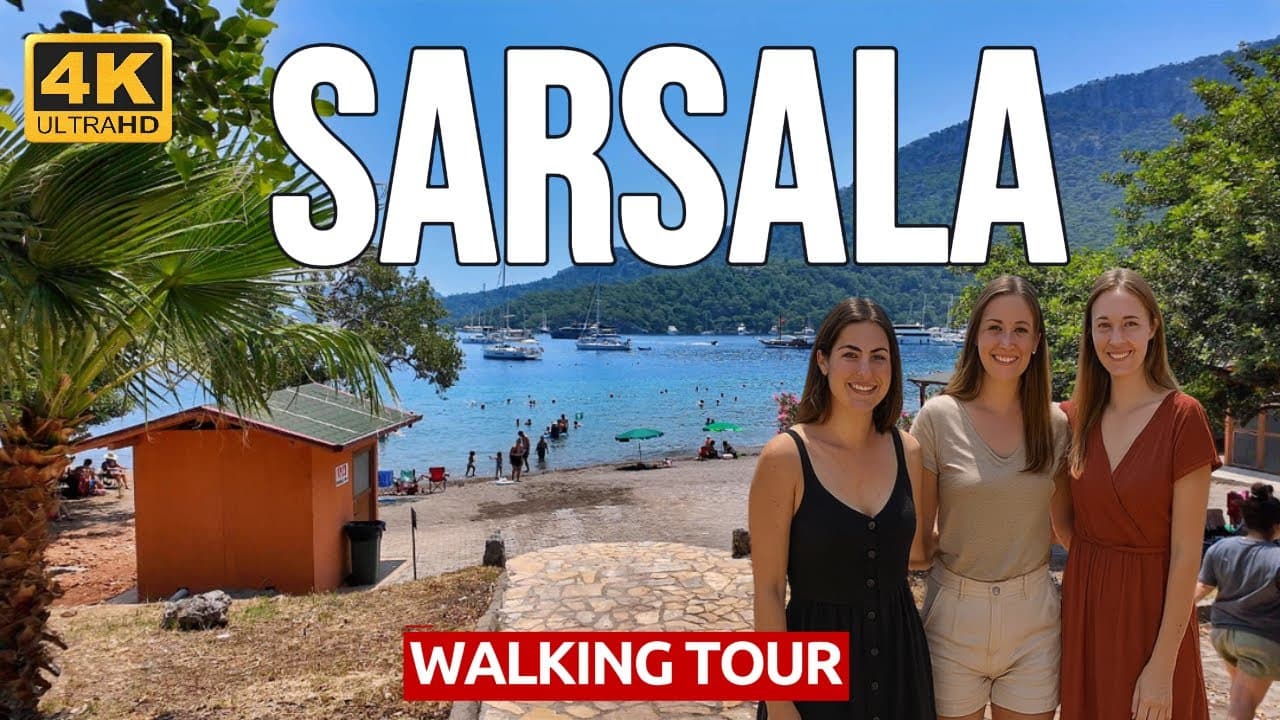
🇹🇷 Muğla, Sarsala Beach Walking Tour - Crystal Clear Waters & Stunning Hidden Cove 4K 60fps
Watch the 4K walkPlaces on the map
9 pinsNumbers match the order in the article. Tap a pin for directions.
Datca: a long peninsula and a patient road
Datca is a peninsula in Mugla that stretches west and gets thinner as it goes. After Marmaris the road narrows, twists and starts to show you sea on both sides. You cannot rush this drive, and after a while you stop wanting to. That slowness is the whole point of Datca: quiet next to the big resorts, bays set well apart, evenings that go still.
This is not a place built around one busy centre. The bays are scattered along the peninsula, with hills and olive groves between them. So saying "I went to Datca" usually means "I stayed at one end of the peninsula." It suits people who want calm days, clean water, fish dinners and few crowds. If you are after nightlife and constant motion, you may find it too sleepy.
The most common mistake is underestimating distances. Getting from Datca town to Knidos at the tip, or to the far southern bays, looks short on the map and takes a while by car. The road is narrow and the final stretches are rough. Planning one day for Knidos and another for the southern bays is far more enjoyable than cramming everything into a single day.
Quick answer
Datca is a calm peninsula with bays spread far apart; a car makes it much easier, and Knidos deserves a day of its own.
- Best time: mid-June and September; July and August are hot and busy.
- Getting there: by road via Marmaris; a seasonal ferry from Bodrum in summer.
- Where to stay: Datca town for convenience, the southern bays for quiet swimming.
1. Datca centre and harbour
Datca centre is where the peninsula's daily life turns. Along the waterfront there are cafes, fishmongers and a harbour where boat trips set off, with Kumluk beach a short walk from town. Mornings are calm and the quayside picks up in the late afternoon. For a market, a pharmacy or a bank, this is the most practical spot on the whole peninsula.
A few minutes inland sits Eski Datca, the old village. Its stone houses, narrow lanes and bougainvillea make a quiet detour, with a handful of boutique cafes and craft shops. If you are staying in the centre it is an easy late-afternoon add-on, not quite walkable but a short drive or minibus away.
Honest note: Kumluk beach in the centre is handy but not the peninsula's best swimming. For clear, still water it is worth heading to the southern bays. The centre is best as a base for shopping and dinner.
2. Knidos ancient city
Knidos is an ancient Greek city right at the tip of the peninsula, where two seas meet. It has two separate harbours, a theatre and wind-blown stone ruins. The setting alone is the reason to come: the land ends here and open sea opens out in front of you.
Getting here from Datca town takes time. The road runs the length of the peninsula and the last stretch is rough and dusty, so you drive slowly. Because of that, treat Knidos as almost a full day rather than a quick half-day. Bring water, a hat and comfortable shoes, since the site is open and there is little shade.
Opening hours and access can change, so check the official details at muze.gov.tr before you go. Honest note: walking the ruins in the midday heat is tiring; going early in the morning or towards late afternoon is cooler and better for photos.
3. Palamutbuku
Palamutbuku is a long pebble bay on the south side of the peninsula. The water is clear and you can see straight to the bottom, which makes it one of Datca's favourite places to swim. Small pensions, fish restaurants and a few beach outfits line the shore. It is quieter than the big resorts, though it fills up in high summer too.
You need a car to reach it from the centre, along a winding road over the hills, so take your time. Afternoon wind can pick up, so the water is usually calmer in the morning.
Honest note: it is a pebble beach, and water shoes make a real difference. The shore is long, so shade is not everywhere; either sit in front of an outfit where you can rent a lounger, or bring your own umbrella.
4. Ovabuku
Ovabuku is Palamutbuku's next-door neighbour and a quieter bay. Its calm water makes for easy swimming, which suits families with children and anyone after stillness. In the late afternoon the light falls nicely on the bay, and it is a well-liked spot to watch the sunset.
A few pensions and small restaurants sit along the shore, and the mood is plain and slow. Do not expect a big resort or a lively beach; that is exactly why people come here.
You reach it by car from the centre, and since it is very close to Palamutbuku the two fit comfortably into one day. Honest note: choices are limited, and restaurants can fill on summer evenings. If you have a particular place in mind for dinner, it is worth asking ahead.
5. Hayitbuku
Hayitbuku is a green-backed, sheltered bay. Being fairly shielded from the wind makes it one of the calmest swimming spots on the peninsula, and the water usually stays still. With its small jetties and shoreline restaurants, it is peaceful and unshowy.
It sits on the same southern line as Ovabuku and Palamutbuku, so it makes sense to see all three together. The road between them is short but still winding, so setting aside one day for these three bays gives you a relaxed pace.
Honest note: the bay is small and parking can be limited in high summer. Arriving early means both an emptier bay and easier parking. For shade, aim for the trees along the shore or the tables of the small outfits.
6. Kargi bay
Kargi bay is one of the closest good beaches to Datca town. If you do not have time for the far southern bays, or you are based in the centre, this is the most practical way to reach clean water quickly. The water is clear and the shore is simple.
Being close to the centre makes it relatively easy to reach without a car, though in summer heat a short drive or minibus beats walking. That closeness also brings popularity, so it gets busy on weekends and in high summer.
Honest note: being near the centre is an advantage, but it is not the most secluded bay. For true quiet you need to head south; for a fast swim and an easy return to town, Kargi is ideal. It is calmer before midday.
7. Karaincir beach
Karaincir is a sandy beach nearer the entrance to the peninsula. Unlike Datca's pebble bays, the ground here is sand, which makes it comfortable for families with children. The sea starts shallow, giving small children a safe way in.
Being close to the peninsula entrance makes it easy to stop at on the way in from the Marmaris side, or on the way back. You can find loungers and somewhere to eat and drink along the shore.
Honest note: the sand and shallow water are great for families, but that popularity means crowds in high summer. It is also an open shore, so wind and small waves can build in the afternoon; for the calmest sea, come in the morning. Shade can be limited, so an umbrella helps.
8. Aktur beach
Aktur is a shallow, sandy beach on the north side, near the peninsula entrance. The sea stays shallow for a long way out, which makes it good for calm swimming and for families. It sits alongside a holiday development and a campsite, so it is tidy but plain.
Its position near the entrance makes it one of the first places you can stop coming from the Marmaris direction. It works well as a quick break before or after a long day of driving.
Honest note: being on the north coast, the water can turn cloudy depending on the weather, so do not always expect the clarity of the southern bays. Its real strength is the shallow, safe sea; swimmers wanting clear, deeper water will find the southern bays more rewarding.
9. Kocadag viewpoint
Kocadag is a high point rising over the peninsula with wide views. As you climb, the bays, olive groves and the sea on both sides come into view at once. This is where you really understand how thin and long the peninsula is.
For the view, the hours near sunset are best, when the light softens and the air cools. The road up is narrow and winding, so it is safer to drive it in daylight and without hurrying.
Honest note: this is a viewpoint, not a venue; do not expect a cafe or set facilities. Road conditions can be tough depending on the season and your car, so go carefully in a low vehicle. Wind can be strong at the top, so bring a light layer.
When to go
The most balanced stretch is mid-June to September. July and August make the sea warm and the days bright, but the bays and roads are at their busiest. September is often the sweet spot: the sea is still warm and the crowds have thinned.
Through the summer, wind shapes the day on the peninsula. The sea is usually calmer in the morning and picks up in the afternoon. For clear, still swimming it helps to plan an early start. Spring and early autumn are ideal for walking and for visiting Knidos, though some pensions and restaurants may close outside the season.
Getting there and driving
Reaching Datca by land means going via Marmaris. The road after Marmaris runs the length of the peninsula, twists a lot and is slow, so do not assume it is quicker than it is. In summer a seasonal ferry also runs from Bodrum; since sailing days and times change, confirm them officially in advance.
A car genuinely makes things easier in Datca. The bays are far apart and public transport does not run often to every one. You can reach some beaches from the centre by minibus, but the flexibility of your own car, especially for the southern bays and Knidos, is much more comfortable. If you plan to rent, it is wise to arrange it ahead for summer.
Where to stay
There are two main choices. Datca town is practical for anyone who wants life around them, a market, restaurants and an evening stroll; the harbour and Kumluk beach are within walking distance and essentials are close. For transport and shopping, this is the easiest base.
The southern bays (Palamutbuku, Ovabuku, Hayitbuku) suit those who want quiet, clean water and a simple pension feel. Staying there means waking up right by the sea, but be ready for fewer shops and options and a longer trip down to the centre in the evening. If it is your first visit, basing yourself in the centre and driving out to the bays day by day is the most balanced plan for most people.
<!-- space reserved for a future hotel note -->
FAQ
**Do I need a car in Datca?** Not strictly, but it helps a lot. You can stay in the centre and reach nearby bays by minibus, but for the southern bays and Knidos your own car adds real flexibility.
**How far is Knidos?** It takes longer than it looks on the map. It sits at the tip of the peninsula and the final stretch is rough road, so plan the round trip from Datca town as almost a full day.
**Datca or Bodrum?** If you want quiet, clean bays and a slow pace, choose Datca. If you want nightlife, variety and constant motion, Bodrum fits better. The two answer different expectations.
**Which are the best bays?** For clear water and swimming, the southern trio of Palamutbuku, Ovabuku and Hayitbuku stand out. For something close to the centre and practical, Kargi bay is a good start.
**Is there a ferry?** A seasonal ferry runs from Bodrum to Datca in summer. Sailings change by season and day, so confirm dates and times from an official source before you travel.
Planning questions
What does this Muğla guide cover?
Plan the Datca peninsula around Knidos ancient city, Palamutbuku, Ovabuku, Hayitbuku and the quiet bays with realistic driving distances.
Can I watch a 4K walking tour of Muğla?
Yes. The page links to Travel Walk Tours films so you can preview the Muğla route on a big screen before you go.
How should I use this page to plan?
Read the quick answer first, skim the route notes, then compare street texture, timing, and nearby guides through the linked city page and walking films.