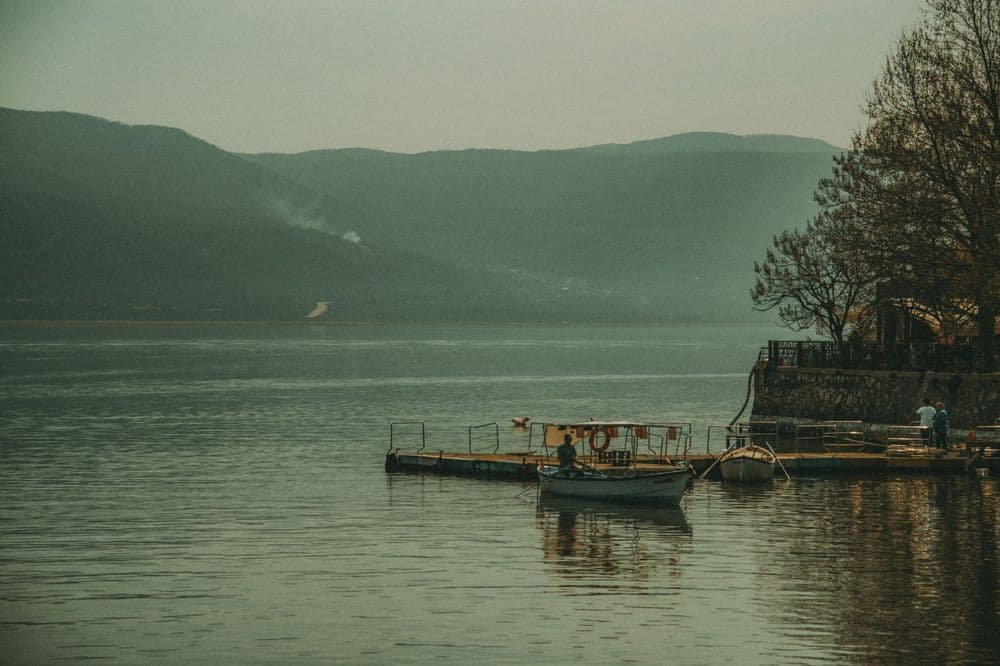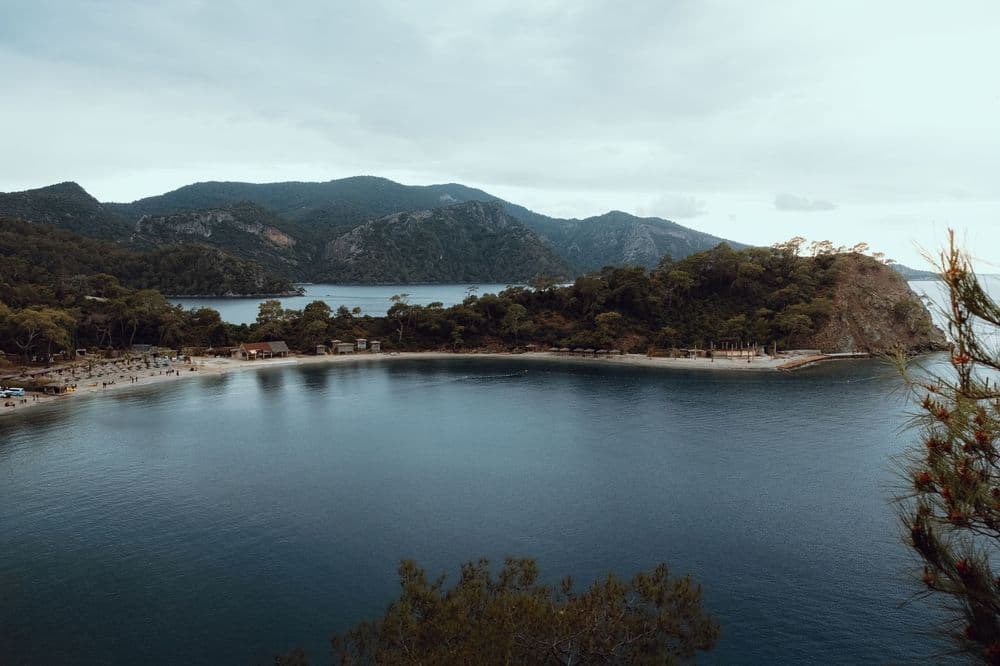
A practical Mugla guide comparing Fethiye, Bodrum, Akyaka, Marmaris and Datca so you can choose the right coastal base and watch the most useful 4K route videos.
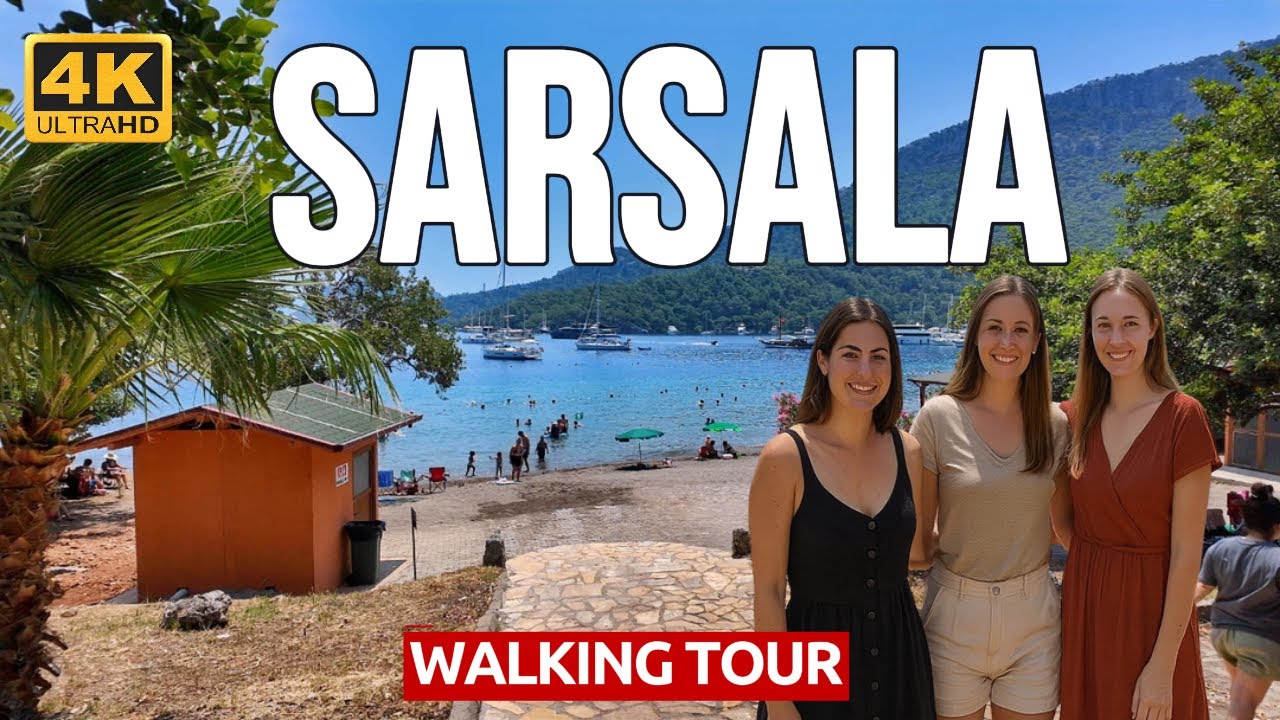
Walk this route
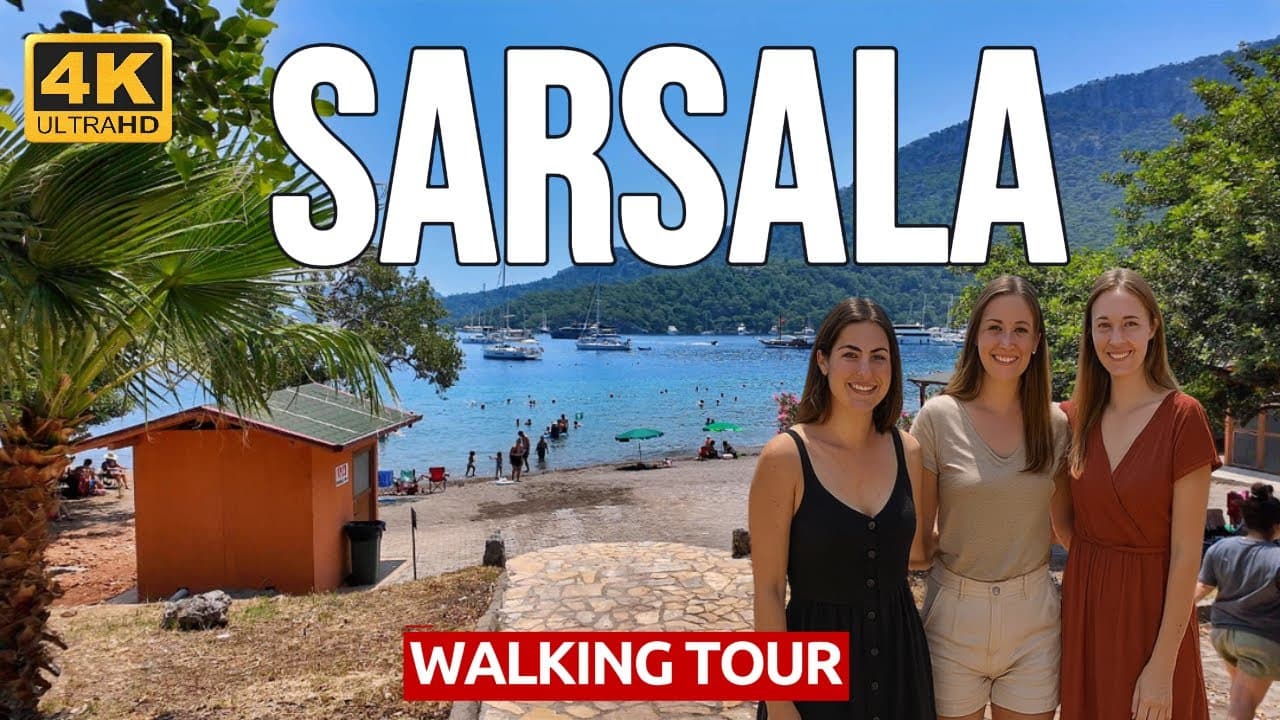
🇹🇷 Muğla, Sarsala Beach Walking Tour - Crystal Clear Waters & Stunning Hidden Cove 4K 60fps
Watch the 4K walkMuğla Is Not One Holiday. It Is Five
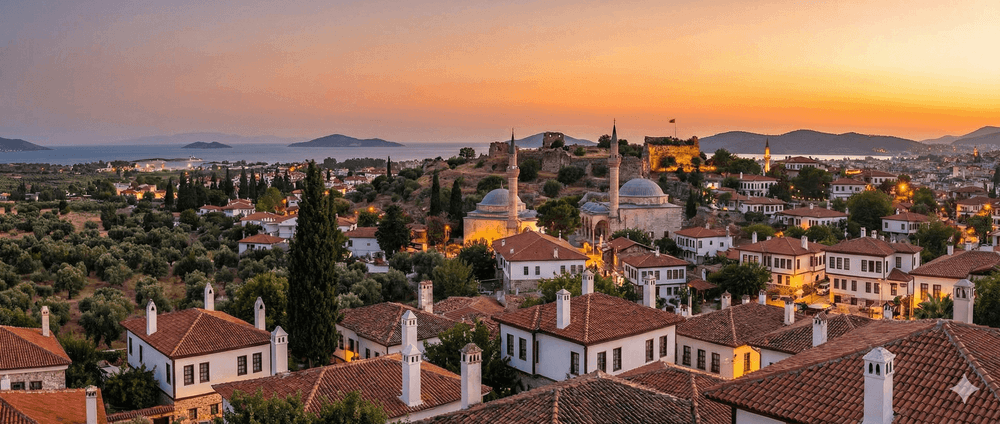
Half the people "going to the seaside" in Turkey are actually going to Muğla, and most never notice, because nobody says "I'm going to Muğla." They say Bodrum, Fethiye, Marmaris, Datça. Yet all of those names sit inside a single province, one that packs 1,100 kilometers of folded coastline into the exact meeting point of the Aegean and the Mediterranean, along with two airports, a dozen ancient cities, Turkey's most famous lagoon, its most famous paragliding mountain, and its most sheltered sailing bays.
So a Muğla plan starts with choosing a character, not a pin on the map. Bodrum is white-and-blue polish with a crowd; Fethiye–Ölüdeniz is nature and adrenaline; Datça is wind and quiet; Akyaka is slow living; Marmaris is pine forest meeting the sea; Dalyan is a river story with turtles and rock tombs. Trying to do all of them in one trip means doing none of them.
We have walked this coastline's beaches, coves, and town lanes with a camera. The 4K walking films on this site answer the questions brochures dodge: is the beach pebble or sand, is the town flat or a staircase, what does the crowd really look like in August.
Planning Before You Go
Season: the swimming season runs mid-May to mid-October; September has the sweetest water and the calmest beaches. July and August are peak crowd and peak price everywhere; even quiet corners like Datça and Selimiye fill up. Spring (April–May) is golden for walking routes, especially the start of the Lycian Way. In winter Fethiye and Bodrum keep living; the small coves largely close.
Getting there: two airports. Bodrum–Milas serves the Bodrum peninsula (about 36 km from town); Dalaman serves the Fethiye–Ölüdeniz–Dalyan–Göcek line (about 45 km from Fethiye). Build the route around the right one. Landing at Dalaman for Bodrum means over 2.5 hours of driving. Inside the region a rental car is close to essential; buses between coves and villages are sparse. The one exception: if you stay in a single base (only Ölüdeniz, only Akyaka), the local minibuses suffice. Get an eSIM before arrival: you will live on maps here.
How many days? Four to five for one area (say, greater Fethiye); seven to eight to combine two (Fethiye plus Datça). The Bodrum peninsula deserves 3–4 days of its own. Do not attempt five districts in one week. In this province, hurry wastes both money and scenery.
Where to Stay
- Fethiye and Ölüdeniz: The nature-and-activity base. Fethiye gives town life, the fish market and a marina; Ölüdeniz is beach-first. Ovacık–Hisarönü is paragliding headquarters.
- Göcek: Marina elegance and the sailing world; base of the Twelve Islands boat trips. Little to see on land, everything on the water.
- Dalyan: Riverside calm, İztuzu beach, and rock tombs in view from dinner. A great base for families and nature people.
- Akyaka: The Azmak river, quiet lanes, kite-surf wind, and an official Cittaslow "slow city" soul.
- Marmaris: A lively center and long promenade with nightlife; İçmeler and Turunç are its calmer satellites.
- Datça and Selimiye–Bozburun: The peninsula for crowd-escapers. Almonds, wind, coves, stone houses. Long road, big reward.
- Bodrum: A federation of coves, each with its own character: Gümüşlük for sunset and fish, Yalıkavak for marina luxury, Bitez for families, Türkbükü for the see-and-be-seen crowd, the center for the castle and the night.
Things to Do in Muğla
1. Ölüdeniz
Turkey's most photographed lagoon earns the fame: turquoise water, a sand spit, and the 1,969-meter Babadağ rising behind. The lagoon itself is a protected area with an entrance fee; walk toward the tip of the spit and the crowd thins. The public Belcekız side is livelier, with sunbeds and water sports. Midday in July–August is genuinely packed; before 9 a.m. you meet a different place entirely. The shoreline walking films on this site show that hour-by-hour difference before you go.
2. Paragliding from Babadağ
Launching from 1,700–1,900 meters and spiraling down to the lagoon for 25–40 minutes is Turkey's most iconic adrenaline experience, and ranks high worldwide. Flights are tandem and wind-dependent; early-morning air is usually gentlest. Choose a licensed operator, and settle the price, the video package and the insurance before you strap in. Non-flyers: the cable car goes up anyway, and sunset from the summit is a full experience. Just do not gamble on the last cabin down.
3. Butterfly Valley
Three hundred fifty meters below the village of Faralya, this canyon-cove takes its name from the tiger butterflies seen June to September. It is reached by boat from Ölüdeniz, or by a steep roped path best left to genuinely experienced walkers. The valley is protected and nearly free of construction; a short inner walk leads to a waterfall. For most travelers the day-boat visit of a few hours is the right dose.
4. Kabak
One cove past Butterfly Valley: camps, bungalows and yoga decks for the "disappear for a few days" crowd. You arrive by road through Faralya, then descend a steep path (shuttle jeeps exist). This is a wave-sound place, not a beach-club place; lodges fill early in season. One of the finest stages of the Lycian Way passes right through.
5. Kayaköy
The abandoned Greek town behind Fethiye: hundreds of empty stone houses on a hillside, two large churches, and a heavy silence. It is one of the most moving monuments of the 1923 population exchange. Walk it near sunset when the stones go copper; the town's story lands harder. Twenty minutes from Fethiye by car, chaining perfectly onto the Ölüdeniz return. There is a small site fee, and the paths are rough, so wear solid shoes.
6. Saklıkent Gorge
Fifty kilometers east of Fethiye: an 18-kilometer crack in the mountains, up to 300 meters deep, one of Turkey's deepest. The first stretch runs on boardwalks; after that you wade through ice-cold water. Rent water shoes, bag your phone. Even on the hottest day the gorge stays cold, making it the region's best midday escape. Pair it on the same loop with the ancient city of Tlos, one of Lycia's oldest, with cliff tombs and a stadium.
7. Dalyan, Kaunos and İztuzu
Boats thread through the reeds from Dalyan's riverside and deliver two worlds: Lycian rock tombs and the ancient harbor city of Kaunos (climb to the theatre for the acropolis view) on one side, and İztuzu, a nesting beach for loggerhead turtles, at the river mouth. İztuzu is protected: the umbrella rules and evening closing exist for the turtles, take them seriously. River boat + ruins + beach is one of Turkey's best full-day combinations. The mud baths are good fun; just do not expect the advertised ten years back.
8. Akyaka and the Azmak
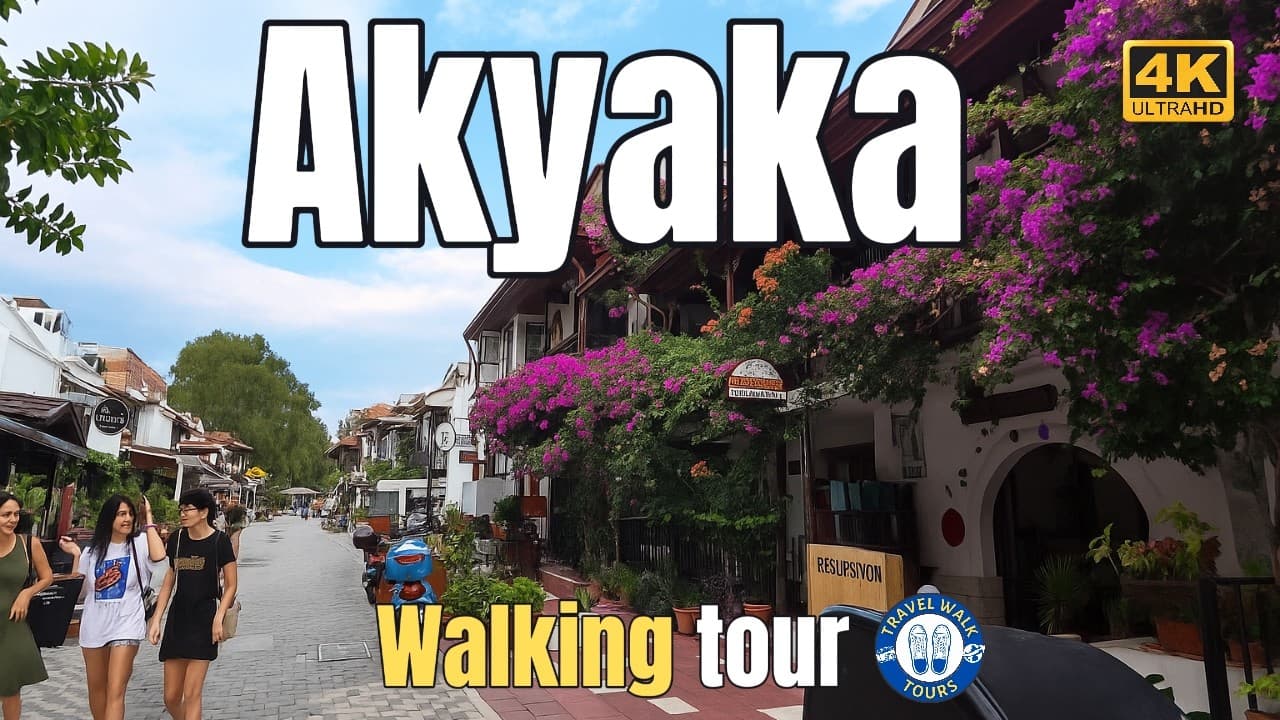
At the head of the Gulf of Gökova, a calm town built along the Azmak, a short river of glass-clear spring water, and one of Turkey's certified Cittaslow towns. Breakfast on the riverbank, a small-boat river tour (the water clarity is surreal), then an afternoon watching or learning kite-surf in the gulf wind: that is the Akyaka day. The Aga Khan Award-winning timber houses of architect Nail Çakırhan give the town its face.
9. Sedir Island (Cleopatra Beach)
In the middle of the Gulf of Gökova, the island whose sand was, so the legend goes, shipped from Egypt for Cleopatra. The legend is doubtful; the sand is genuinely unique: lens-shaped, pearl-like grains that form nowhere else, which is why swimming from the sand and taking any of it is strictly forbidden and entry is controlled. The island also holds the theatre of ancient Kedrai. Boats leave from Akyaka and Çamlı pier; take the first one out and return before the midday crowd.
10. Marmaris, İçmeler and Turunç
Marmaris sits in a wide bay where pine forest runs straight into the sea; the long promenade, the old castle quarter (small museum, good view) and the marina evenings are its best sides. The center is for crowd-and-fun; İçmeler is the calmer beach satellite; Turunç and Kumlubük, reached by boat or a winding road, offer small-cove quiet. Gulet day tours from here cruise the Gökova and Hisarönü bays: ask about the route and the crowd before boarding.
11. Datça and Old Datça
The hours of winding road toward the peninsula's tip (about 70 km from Marmaris) filter the visitors; those who persist get a windy, calm town that smells of almonds. Old Datça's bougainvillea stone lanes lead to the poet Can Yücel's house. The culture here is coves rather than beaches: Hayıtbükü, Ovabükü, Palamutbükü, each a slow bay with a few restaurants and tree shade. You do not "stop by" Datça. You stay. Two nights minimum. Come in late February for almond blossom, September for the sea.
12. Knidos
At the very tip of the Datça peninsula, an ancient harbor city on the headland where the Aegean and the Mediterranean officially meet. With its twin harbors, the round platform of the Temple of Aphrodite and a theatre facing the water, it is one of the rare ancient cities whose setting rivals its architecture. Go toward sunset, when the light, the stones and the two different blues fit one frame. About 35 km from Datça town on a narrow, scenic road.
13. Selimiye and Bozburun
South of Marmaris, these two villages are the coves of the boat-builders: traditional gulets are still built on their slipways. Selimiye's waterfront restaurants and mirror-flat bay have become the quiet-luxury route of recent years; Bozburun is emptier still and proud of its sponge-diving past. No nightlife, many stars. These inner bays of the Hisarönü Gulf are sheltered from the wind, and the swimming season feels a month longer here.
14. Bodrum Center: the Castle, the Underwater Museum and the Mausoleum
Bodrum is a set of coves, but two stops in the center are non-negotiable. The 15th-century Castle of St. Peter houses one of the world's great museums of underwater archaeology: the Uluburun shipwreck (14th century BC, among the oldest known wrecks on earth) justifies the ticket on its own. A few lanes inland lie the foundations of the Mausoleum of Halicarnassus, one of the Seven Wonders of the Ancient World. Little stone remains, but the story is enormous. The whitewashed, bougainvillea lanes are best walked early, before the shops open and the heat builds.
15. The Bodrum Coves: Gümüşlük, Yalıkavak, Bitez
Gümüşlük is a calm fishing bay built over the sunken ancient city of Myndos; you can wade the shallow causeway toward Rabbit Island (check current protection rules), and its sunset fish tables are among Turkey's best. Yalıkavak, with its superyacht marina, is the peninsula's luxury face; Bitez is the family side, shallow water and tangerine groves. Gündoğan and Türkbükü stage the summer social scene. Three coves fit one day: plan a meal in each, and ask about "minimum spend" before sitting at any beach club.
16. Lake Bafa and Herakleia
North of Milas, on the shore of Lake Bafa, once a gulf of the Aegean, the ancient city of Herakleia sleeps under the jagged Beşparmak Mountains (ancient Latmos). Rock tombs, a temple of Athena, and city walls tangled into village houses make it a time capsule tour buses skip. Breakfast by the lake in Kapıkırı village and a small-boat trip to the island monasteries make the best possible break on the Bodrum–Fethiye drive.
17. Stratonikeia
Near Yatağan, the "city of gladiators," one of the rare ancient cities inhabited continuously from the Hellenistic era into Ottoman times. Its gymnasium is among the largest known, and a few village houses still stand inside the ruins; this interweaving of ancient city and living village is unique in Turkey. It sits just off the Muğla–Bodrum road: give it an hour, and you will not regret it.
18. Göcek and the Twelve Islands
Göcek, with six marinas, is the capital of Turkish yachting; the town itself is an afternoon, but the water list is long. The Twelve Islands boat tour (from Göcek or Fethiye) covers the shallow turquoise of the Yassıca Islands, the Greek-era shipyard cove of Tersane Island, and the sunken "Cleopatra's bath" ruins of Hamam Bay. Gulet or speedboat, shared or private: the price and the experience depend entirely on the boat; fix the route and the number of stops before boarding.
Suggested Routes
5-day greater Fethiye route:
- Day 1: Fethiye town, the fish market ritual, the marina; Kayaköy toward sunset.
- Day 2: Ölüdeniz at opening hour; Babadağ in the afternoon (flight, or cable car for sunset).
- Day 3: Butterfly Valley boat day, or Kabak.
- Day 4: Saklıkent Gorge plus the ruins of Tlos.
- Day 5: Full Dalyan day: river boat, Kaunos, İztuzu.
7–8 day two-region route: add a Twelve Islands boat from Göcek and a night in Akyaka (Azmak breakfast, Sedir Island in the morning), then cross to Datça: Old Datça, a cove day (Hayıtbükü or Palamutbükü), and Knidos at sunset. Break the return with lunch in Selimiye.
Bodrum route (3–4 days, its own trip): Day 1 the center: castle, underwater museum, Mausoleum, marina evening; Day 2 Gümüşlük (Myndos wade + sunset fish) and Yalıkavak; Day 3 a boat day or Bitez beach day; Day 4, if you have it, break the drive out at Lake Bafa–Herakleia or Stratonikeia.
Food and Drink
This coast eats olive oil and the sea: wild greens (sea beans, golden thistle, wild radish), octopus, calamari, and whatever the boats brought in. On the Bodrum side, çökertme kebab and Gümüşlük's sunset fish dinners; in Datça, almonds in every form and almond blossom in late February; in Akyaka, breakfast on the Azmak; in Fethiye, the fish market ritual is mandatory: buy your fish at the stall, and have the restaurant around it grill it. Marmaris pine honey accounts for most of Turkey's production; take a jar home. The Cretan-exchange kitchen echoes along the whole coast: stuffed zucchini flowers, plates of wild herbs. The photo-menu places on every promenade are interchangeable; the meyhane one street back, where the locals sit, is the one you remember.
Honest Warnings
- For paragliding, compare licenses and insurance, not prices. Wind cancellations are normal; walk away from any operator who pressures you to fly anyway.
- The rules at the protected sites of İztuzu, Butterfly Valley and Sedir Island are not decoration. Planting an umbrella over a turtle nest or pocketing Cleopatra's sand is worse than the fine suggests.
- In July–August, Ölüdeniz, central Marmaris and Bodrum run peak prices and minimum patience. The same money buys twice the pleasure in September.
- The Datça and Bozburun roads are all curves; do not plan night drives, and medicate motion sickness in advance.
- Boat tours: ask what "all-inclusive" drinks actually are, and know whether you are boarding a quiet-coves boat or a floating disco; they sell at the same price.
- Some beach clubs hide the sunbed price inside a "minimum spend"; ask before you sit. In Türkbükü and Yalıkavak those numbers can genuinely surprise.
- The Kabak and Butterfly Valley paths are real trails: no flip-flops, and never underestimate the climb back out.
- Off season (November–April) the small cove businesses close. Do not arrive in Selimiye, Kabak or Palamutbükü without a booking.
The District-by-District Discovery List
A verified second layer for whoever wants to go beyond the main route:
- The Mausoleum of Halicarnassus (Bodrum): the foundations and model of one of the Seven Wonders; with the castle, it completes Bodrum's ancient identity.
- Aya Nikola Church (Bodrum): a quiet stone church on the Gümüşlük side telling the peninsula's Greek past.
- The Yalıkavak viewpoint (Bodrum): the peninsula's western terrace for marina lights and sunset.
- The Lycian Way trailhead (Fethiye): the first stages from Ovacık toward Kabak walk as day sections; the Kabak viewpoint gives the cove from above.
- The Babadağ terraces (Fethiye): cable car to the 1,700 m and 1,900 m decks, the sunset address even for non-flyers.
- Nimara Cave (Marmaris): a prehistoric cave on Paradise Island, reached by a short forest walk.
- The Seven Islands (Marmaris): Gökova's sheltered archipelago toured by boat; a snorkeling classic.
- The Söğüt and Taşlıca viewpoints (Marmaris): village terraces at the tips of the Bozburun peninsula, the route for "the Aegean without the crowd."
- The Latmos rock paintings (Milas): millennia-old rock art and the Yediler Monastery frescoes in the Beşparmak range; go guided, the trails are unmarked.
- Knidos (Datça): the ancient harbor where two seas meet at the peninsula's tip (detailed above), with the Kocadağ ridge for company.
- Lake Köyceğiz and the Sultaniye springs (Köyceğiz): a sulfur thermal pool on the lakeshore, in a world toured by small boats; arriving at Kaunos across the lake is the finest entrance.
- Sarıgerme (Ortaca): the viewpoint above the long sand, plus the Blue Cave on the Dalyan boat routes.
- Saklıkent Gorge (Seydikemer): the guide's classic; the gorge entrance is 50 minutes from Fethiye.
- Akyaka and the Azmak (Ula): the Cittaslow town and its glass-cold river, covered in detail above.
Frequently Asked Questions
- Which area should I choose? Nature and activity: Fethiye–Ölüdeniz. Quiet: Datça or Selimiye. Slow town: Akyaka. Style and nightlife: Bodrum. Family and river: Dalyan.
- Which airport? Dalaman for Fethiye–Dalyan–Göcek–Akyaka; Bodrum–Milas for the Bodrum peninsula. Datça is far from both (Dalaman slightly wins).
- Is a car necessary? Unless you stay in one base, yes. Minibuses between coves are rare and taxis add up fast.
- When can you swim? Mid-May to mid-October; September water is the year's best. The sheltered inner bays around Selimiye stretch the season a month longer.
- Does the Lycian Way start here? Yes: the official start is at Fethiye–Ovacık, and the first stages above Butterfly Valley can be walked as day sections.
- Boat tour or driving cove to cove? Different experiences: the Göcek–Fethiye islands and the Hisarönü bays only reveal themselves from the water; the Datça and Bodrum coves work beautifully by road. The ideal trip mixes both.
- Where do I watch the walking films? The Muğla city page and the walking-tours archive hold the 4K beach, cove and town walks. Choosing your cove from video is the cheapest disappointment insurance there is.
Mugla Is a Region of Different Trips
Mugla should not be planned as one single beach destination. Fethiye, Bodrum, Akyaka, Marmaris and Datca each create a different kind of holiday. Fethiye is stronger for nature, boat trips and Lycian landscapes. Bodrum is more social, with restaurants, marinas and nightlife. Akyaka is slower and better for short escapes. Marmaris and Datca work well for road trips and bay exploration.
Which Area Should You Choose?
- Fethiye: Best for Oludeniz, Kayakoy, boat trips, Babadag, Saklikent and nature routes.
- Bodrum: Best for restaurants, boutique hotels, marinas, nightlife and sunset plans.
- Akyaka: Best for calm water, Azmak River, short walks and slow weekends.
- Marmaris: Best for boat tours, coves and a livelier resort base.
- Datca: Best for a quieter, windier and more independent coastal trip.
How Many Days Do You Need?
Do not try to see all of Mugla in three days. For a first visit, choose one main base. Fethiye needs at least three to four days. Bodrum can work in three days. Akyaka, Marmaris and Datca together need at least five days, and a full week is more comfortable if you want to stop at beaches and viewpoints.
Transport Notes
Public transport works between some centers, but a car is a major advantage for coves, viewpoints and smaller coastal towns. In summer, leave early to avoid parking problems and heat. If you do not want to drive, choose a central base and use boat tours instead of trying to reach every beach by road.
Why Watch Videos First?
Photos often make every bay look empty and easy. A walking or beach video shows the access road, ground, crowds, water entry, shade and walking distance. Watching Fethiye, Bodrum, Akyaka and Marmaris videos before booking helps you choose the area that matches your travel style.
Planning questions
What does this Muğla guide cover?
A practical Mugla guide comparing Fethiye, Bodrum, Akyaka, Marmaris and Datca so you can choose the right coastal base and watch the most useful 4K route videos.
Can I watch a 4K walking tour of Muğla?
Yes. The page links to Travel Walk Tours films so you can preview the Muğla route on a big screen before you go.
How should I use this page to plan?
Read the quick answer first, skim the route notes, then compare street texture, timing, and nearby guides through the linked city page and walking films.