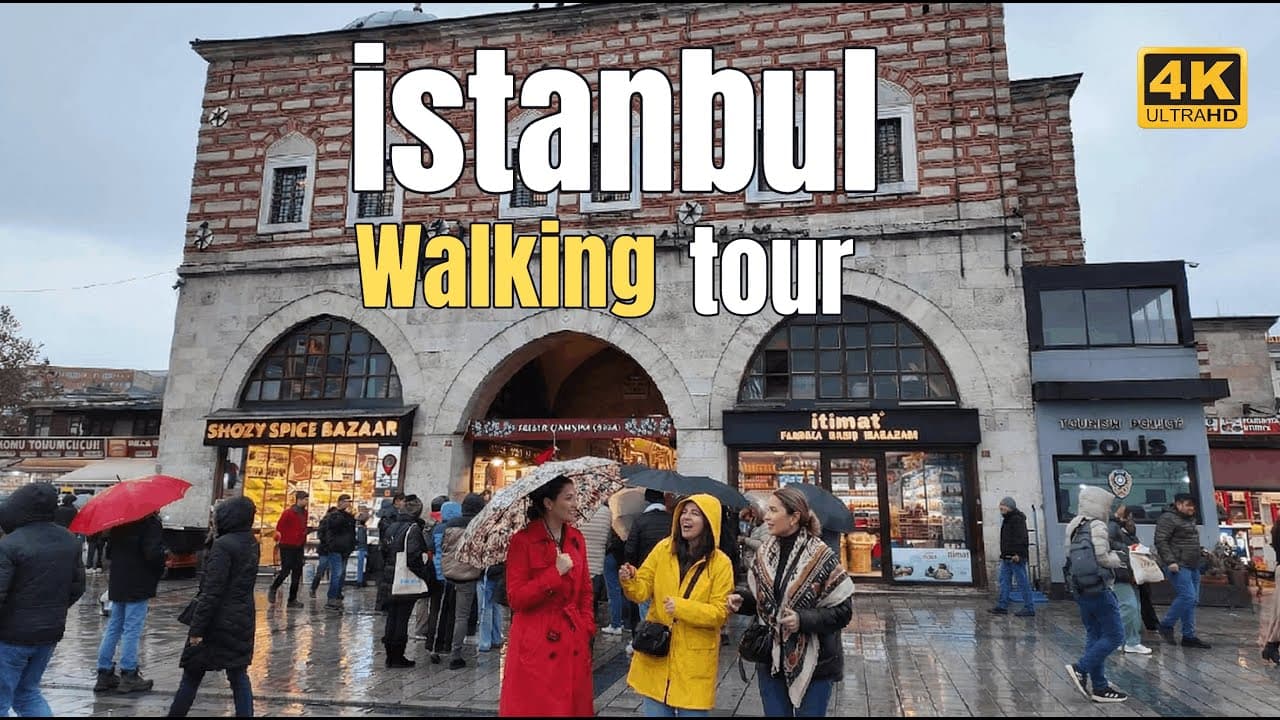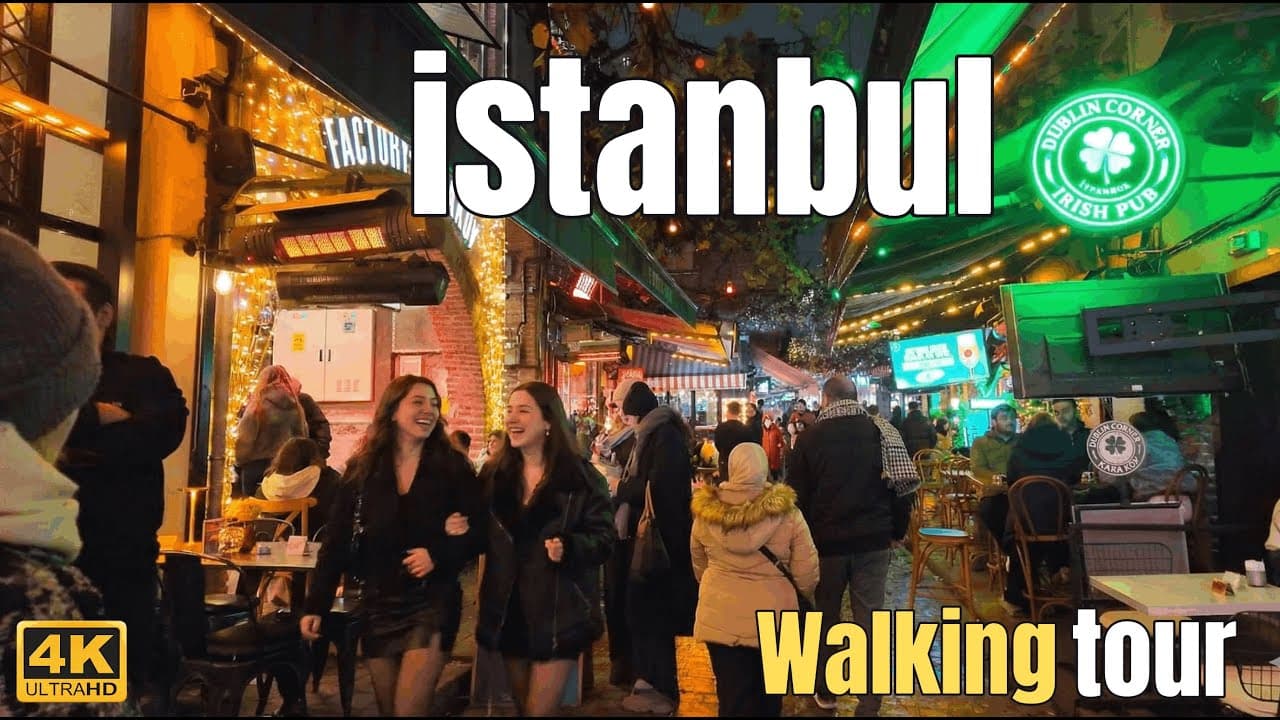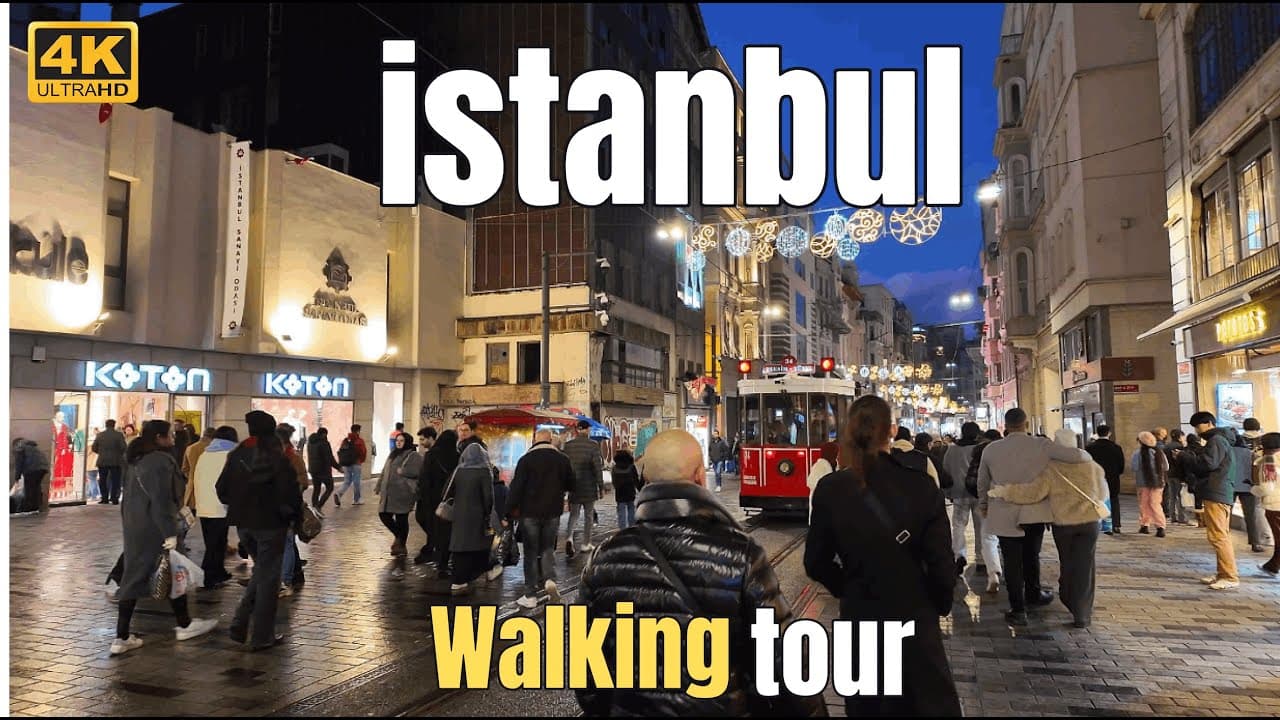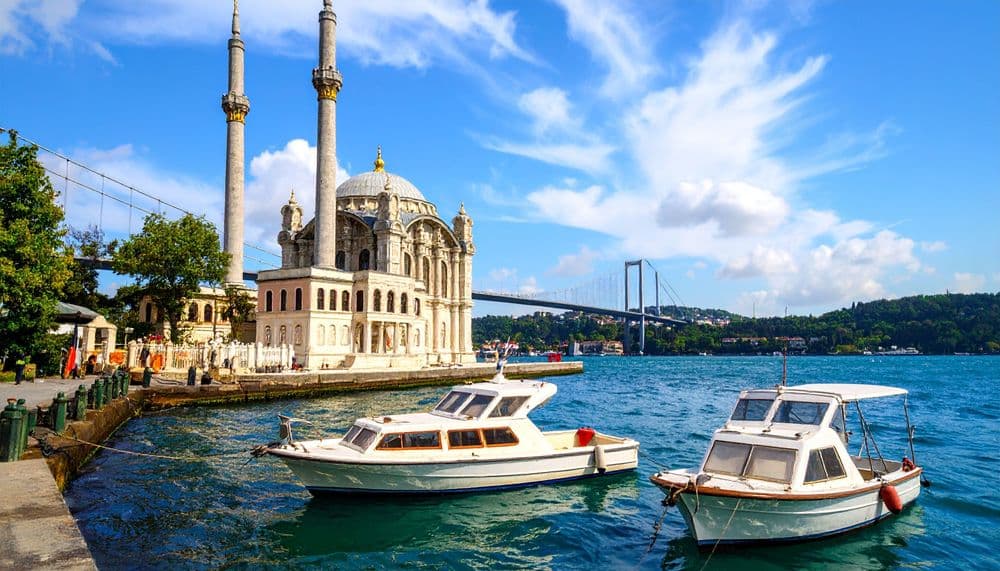
Plan Suleymaniye and Vefa around Sinan's great mosque, the Valens Aqueduct, the Beyazit Tower, Zeyrek and the historic Vefa boza shop, at a calmer pace.
Walk this route
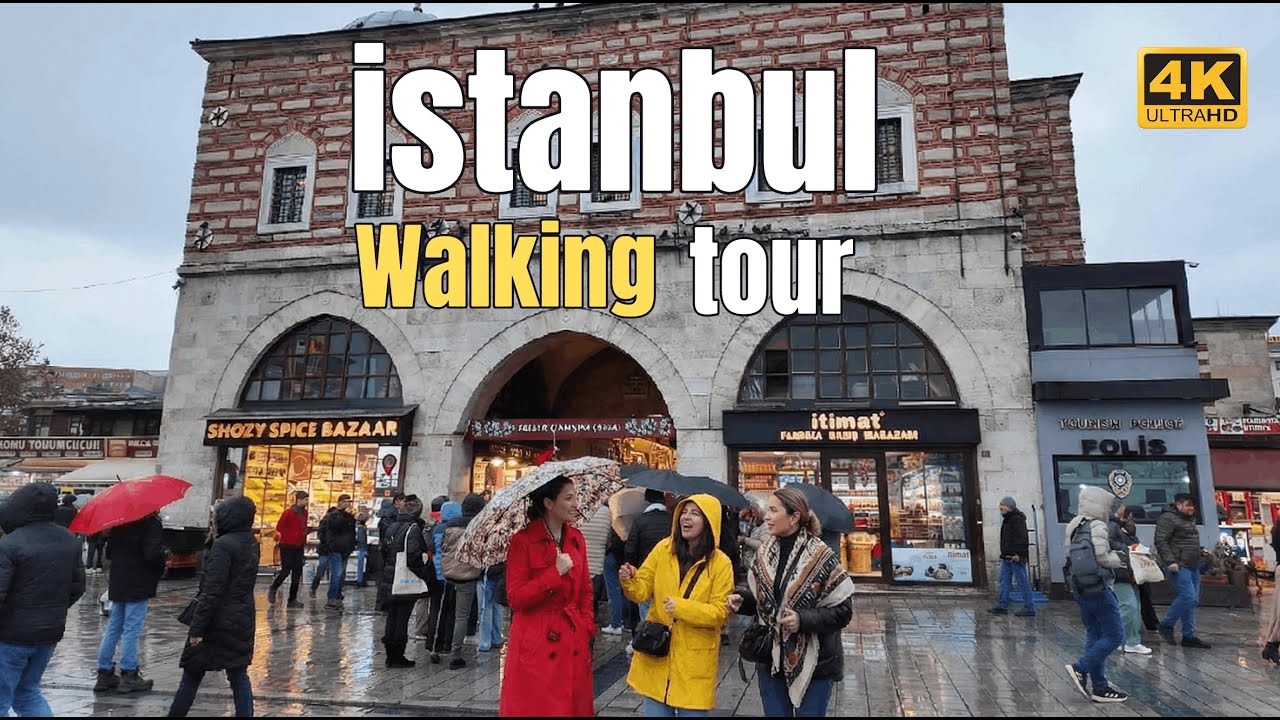
Istanbul Walking Tour 4K – Historic Streets, Crowded Bazaars & Timeless Atmosphere
Watch the 4K walkPlaces on the map
9 pinsNumbers match the order in the article. Tap a pin for directions.
Suleymaniye and Vefa: the quiet side of the third hill
Suleymaniye is the quarter on the third hill of Istanbul's old city. Sinan's great mosque holds the summit, and below it spread the grounds of Istanbul University, the old lanes of Vefa, and the Zeyrek slope running down to the Golden Horn. It sits only a few hundred metres northwest of Sultanahmet, yet it feels like a different city: students instead of tour groups, bean restaurants instead of souvenir stalls, and a shop that has poured boza since 1876.
For centuries this was the hill of medreses, libraries and scholars, and thanks to the university it still is. If Sultanahmet is the empire's showroom, Suleymaniye is its study. It rewards a slow half day on foot rather than a rushed hour. Be warned that the slopes are steep and partly cobbled, so wear shoes you trust.
The classic mistake is to see the Suleymaniye Mosque and leave. Most visitors step into the courtyard, photograph the Golden Horn, and head straight back to Sultanahmet, missing the tombs, the quiet lanes of Vefa, the Roman aqueduct and the Byzantine layer of Zeyrek entirely. This guide strings the nine numbered stops on the map into one walk that starts at the summit and ends down in Zeyrek.
Quick answer
Suleymaniye and Vefa make up a noticeably calmer third-hill quarter crowned by Sinan's largest Istanbul mosque; give it half a day.
- Main stop: the Suleymaniye Mosque, the imperial tombs, and the courtyard terrace over the Golden Horn.
- Also on the walk: the Sehzade and Kalenderhane mosques, the Beyazit Tower, the Valens Aqueduct, the Vefa boza shop, and Zeyrek.
- Access: Vezneciler metro or the Beyazit tram stop; the whole quarter is done on foot.
Nine places to see in Suleymaniye and Vefa
The order follows the numbers on the map: it begins at the top of the hill, passes the university square and the aqueduct, and finishes on the Zeyrek slope.
1. The Suleymaniye Mosque
The mosque Sinan built for Suleiman the Magnificent crowns the third hill and is one of the most recognisable pieces of the Istanbul skyline. Sinan conceived it not as a single building but as a complex, with medreses, a hospital, a bathhouse and a public kitchen, and most of those structures still ring the mosque today. Inside, the wide dome, the Iznik tiles and the way the windows scatter light are what hold you. The terrace on the north edge of the courtyard gives one of the best free views in the city, across the Golden Horn to Galata; many visitors walk out without ever finding it.
This is a working mosque. Visits stop at prayer times, shoulders and knees must be covered, women need a headscarf, and shoes come off at the door. Entry is free. Early morning and the gap between two prayers are calmest; avoid Friday midday. Allow an hour, or ninety minutes with the complex.
2. The tombs of Suleiman and Hurrem
In the walled cemetery on the qibla side of the mosque, the tombs of Suleiman the Magnificent and Hurrem Sultan stand a few steps apart. Suleiman's is the larger; Hurrem's is smaller but unusually rich in tilework inside. Both are plain on the outside and surprisingly ornate within. In a corner of the complex sits Sinan's own small tomb, the modest plot the architect kept for himself beside the largest thing he ever built.
The tombs have their own entrance, separate from the mosque, and their hours may differ from the mosque's, so do not leave them for late afternoon and confirm the opening on the spot. This is a burial ground as much as a sight: keep your voice down, dress modestly, and follow the photography rules inside. Entry is free, though practice can change; check at the gate. Skipping the tombs is the second most common mistake on this route, and ten extra minutes covers them.
3. The Sehzade Mosque
A ten-minute walk west of Suleymaniye, this is an earlier Sinan work. Suleiman commissioned it for his son Mehmed, a prince who died young, and Sinan is said to have called it the work of his apprenticeship. Its symmetrical plan with four half-domes reads like a rehearsal for the great mosques that followed. The carved stonework on the minarets deserves a close look.
The garden is usually emptier than Suleymaniye's courtyard, and the prince's tiled tomb stands within it; go in if it is open. The mosque is active, so the same rules on prayer times and dress apply. From here the Valens Aqueduct is a few minutes on foot, which joins the two stops into one stretch. Thirty to forty minutes is enough. Seeing this and Suleymaniye on the same day is the simplest way to compare the young Sinan with the master.
4. The Kalenderhane Mosque
Kalenderhane stands right at the foot of the Valens Aqueduct, and it was a Byzantine church before it became a mosque. Even from outside, the brick walls and massing set it apart from Ottoman mosques; inside, part of the Byzantine marble revetment survives. Standing under the dome, you can feel that this one building carried the worship of two religions across many centuries.
It is two minutes from the Vezneciler metro exit, which makes it the easiest stop on the route to reach and one of the least visited. It is an active neighbourhood mosque, and the door is not always open; arriving near a prayer time improves your chances of seeing the interior, though you may then wait for the prayer to finish. The visit itself is short, fifteen to twenty minutes. For a photo of the church and the aqueduct in one frame, move to the southeast side. Entry is free.
5. The Beyazit Tower and the university square
The stone tower rising from the main grounds of Istanbul University is a fire-watch tower from 1828, built so that watchmen could scan the timber city for smoke. Today it is a familiar mark on the skyline and is lit up in the evenings. Because it stands inside the campus, entry depends on university permission and it is usually closed to visitors, so plan on seeing it from the square and the surrounding streets.
The square itself is the real stop. The university's monumental gate, the pigeons, the tea sellers and the second-hand book market just off the square make a natural pause for anyone walking up from the Grand Bazaar. Browsing old books and prints in the sahaflar easily turns ten minutes into half an hour. From the square it is an eight to ten minute climb to Suleymaniye. There is nothing to pay; the tower is viewed from outside.
6. The Valens Aqueduct
The Roman aqueduct striding across the valley between the third and fourth hills is the oldest structure in the quarter. It carried part of the city's water supply from the late Roman period onward and was repaired and kept in use through Byzantine and Ottoman times. Today the traffic of Ataturk Bulvari runs beneath arches that are approaching two thousand years old.
You only grasp the scale from directly underneath; driving under it does not count, so walk it. There is no way up on top, and it is viewed from below. Morning light is best for photographs, and use the pedestrian crossing when you switch sides of the boulevard, because the traffic is heavy. Coming from the Sehzade Mosque and passing under the arches toward the Zeyrek slope stacks the Roman, Byzantine and Ottoman layers of the quarter into a single short walk. Fifteen to twenty minutes, open air, free.
7. The Vefa boza shop
In the heart of Vefa, the shop that gave the neighbourhood its fame has served boza since 1876. Boza is a thick drink fermented from millet, faintly sour and faintly sweet, dusted with cinnamon and eaten with roasted chickpeas on the side. The first sip is unfamiliar; the second wins most people over. The mirrored, wood-panelled interior is as much a reason to come as the drink, and the glass Ataturk drank from is kept on display.
Boza is a winter drink, in season roughly from October to April; in summer the shop sells vinegar and grape must instead. Seating is minimal and most people drink standing, so treat it as a stop rather than a cafe. Prices are modest; check the current ones on the menu. It sits on the way down from Suleymaniye to Zeyrek, and in the cold months walking past without a glass would be a waste.
8. The Zeyrek (Molla) Mosque
This building on the Zeyrek slope was the church of the Byzantine Pantokrator monastery. After the conquest it served as a medrese and then a mosque, taking its name from its first teacher, Molla Zeyrek. The complex is actually three churches joined side by side, and it ranks among the most important Byzantine buildings still standing in Istanbul. It has come through a long restoration; inside, sections of the Byzantine inlaid stone floor sit alongside the Ottoman additions.
The mosque is active, so mind the prayer times and the dress code, and expect some sections to be closed. Half the experience is the setting: narrow lanes drop down the hillside between timber Zeyrek houses, some restored, some still waiting. The slope is steep and cobbled, slippery in rain, and good shoes are not optional. From here the Golden Horn opens at a different angle than from the Suleymaniye terrace. Allow forty to fifty minutes with the streets.
9. The Zeyrek cistern
The last stop on the route is the Byzantine cistern built as the substructure of the Pantokrator monastery's terrace. Because the monastery sat on a slope, this vaulted reservoir supplied the flat ground it needed; after standing closed for centuries, it was restored and opened to visitors. The interior is dim, cool and columned, a good alternative for anyone who wants to stand inside a Byzantine water structure without the queue and crowds of the Basilica Cistern.
Opening days and use vary. The space is sometimes given over to exhibitions and events, and entry conditions change accordingly, so confirm before you go whether it is open and what the ticket costs. If it turns out to be closed, the loss is small, since the mosque is right next to it. When open, the visit takes twenty to thirty minutes, and in summer it doubles as a cool pause after the climb.
Getting there
There are two practical approaches. The first is the M2 metro to Vezneciler: from the exit, Kalenderhane and the Sehzade Mosque are two or three minutes away, and Suleymaniye is a ten-minute climb. The second is the T1 tram to Beyazit-Kapalicarsi: from the square you pass the book market and the university gate and reach Suleymaniye in eight to ten minutes. If you are coming from the Grand Bazaar or the Spice Bazaar, walking uphill from their back gates is a pleasure in itself, through hans and wholesale streets.
The quarter is walkable end to end: the tower and square to the south, the mosque at the top, Sehzade and the aqueduct to the west, Vefa in between, and Zeyrek dropping toward the Golden Horn. The one caveat is the gradient. Do not come by car; the lanes are narrow and parking is scarce. On the way out, descend from Zeyrek to Ataturk Bulvari for a bus, or walk to the Halic metro station.
When to go
Spring and autumn are the balanced seasons; in summer the climbs are tiring and the Suleymaniye courtyard has no shade at midday. Winter has its own case: it is boza season and the streets empty out. Within the day, early morning is quietest for both the mosque and the lanes. On Fridays the mosque and its surroundings fill around the noon prayer, so skip Friday midday if you want calm. Late afternoon light is best on the Golden Horn terrace, and after dark the tower's lights show from the square. For the full route, allow half a day, five to six hours with a lunch stop.
Eating and drinking
The Suleymaniye classic is kuru fasulye, slow-stewed white beans served with rice and pickles. The historic bean restaurants beside the mosque have kept the tradition going for generations; there is a queue at lunchtime, so come early. The menu is short, and that is a good sign.
Because this is a student quarter, the streets around the university are full of cheap tradesmen's restaurants, soup kitchens and tea gardens, and lunch here costs noticeably less than in the tourist zones. In Vefa, a break means boza: in winter, a cinnamon-dusted glass at the old shop stands in for dessert on this route. Options thin out on the Zeyrek side, though finding a corner with a view on the slope is easy if you carry your own coffee. Everywhere, confirm prices on the menu.
Frequently asked questions
**Is Suleymaniye quieter than Sultanahmet?** Usually, yes. Tour groups rarely make it over here despite the short distance, and the courtyard and streets are mostly students and locals. The exceptions are Friday noon prayer and religious holidays, when the mosque fills with worshippers.
**How much time does the route need?** All nine stops make a comfortable half day with a lunch break. If you only see the mosque and the tombs, ninety minutes is enough, but you will miss Vefa and Zeyrek, which is where this quarter earns its difference.
**Can I enter the tombs, and is there a dress code?** Yes, the tombs of Suleiman and Hurrem are open to visitors and entry is free; their hours can differ from the mosque's, so confirm on site. Modest dress is expected, with shoulders and knees covered and a headscarf for women. Keep quiet inside.
**What is boza, and can I get it in summer?** Boza is a thick, mildly sour fermented millet drink taken with cinnamon and roasted chickpeas. Its season runs roughly October to April. The Vefa shop has been open since 1876, but in summer it mainly sells vinegar and grape must, so go in the cold months for boza.
Planning questions
What does this İstanbul guide cover?
Plan Suleymaniye and Vefa around Sinan's great mosque, the Valens Aqueduct, the Beyazit Tower, Zeyrek and the historic Vefa boza shop, at a calmer pace.
Can I watch a 4K walking tour of İstanbul?
Yes. The page links to Travel Walk Tours films so you can preview the İstanbul route on a big screen before you go.
How should I use this page to plan?
Read the quick answer first, skim the route notes, then compare street texture, timing, and nearby guides through the linked city page and walking films.