Plan Balat around its colourful house streets, antique shops, Chora Mosque and the hilltop mosques above the Golden Horn, respectfully.
Walk this route
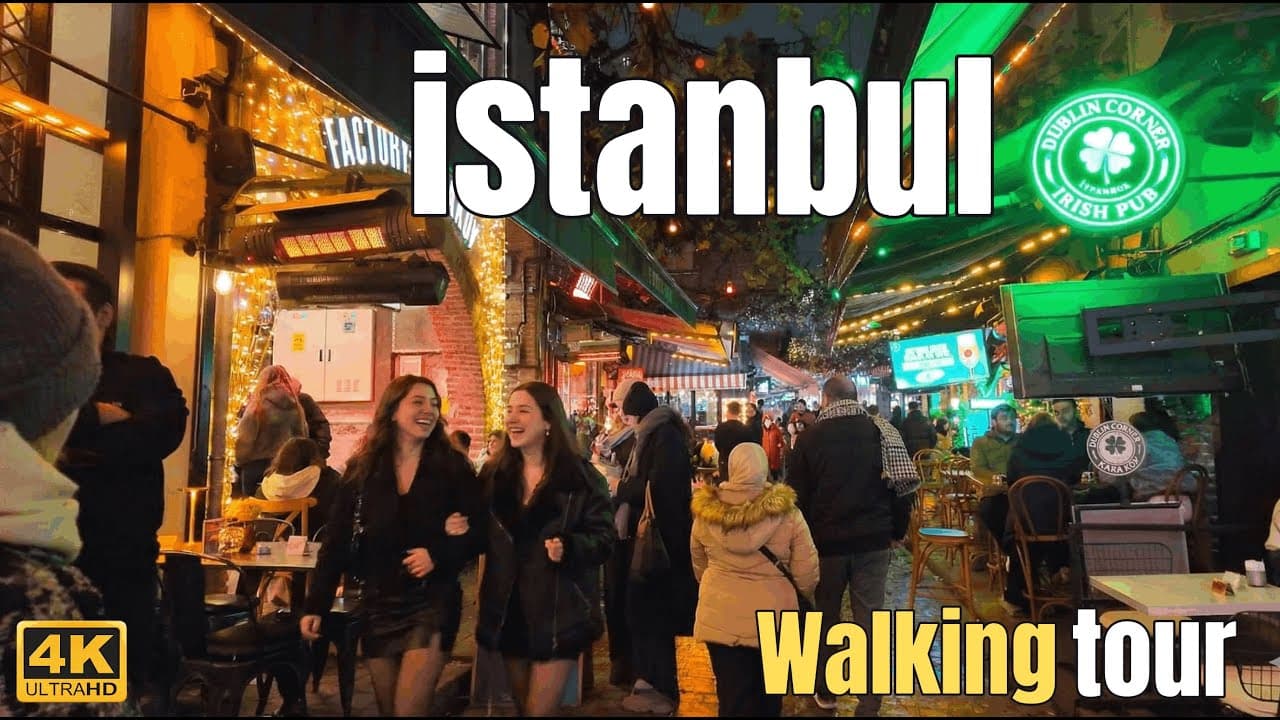
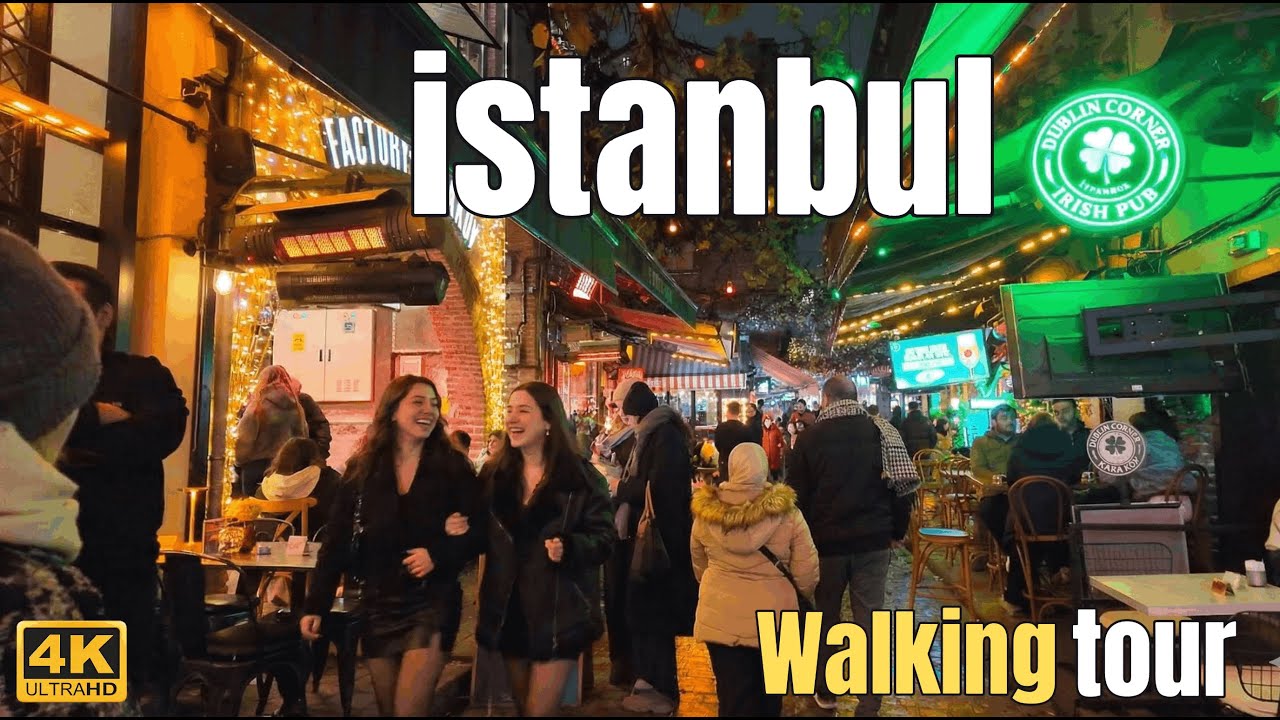
Istanbul Walking Tour 4K - Beautifully Lit Streets and Shops of Karaköy & Galataport at Night
Watch the 4K walkPlaces on the map
11 pinsNumbers match the order in the article. Tap a pin for directions.
A photogenic but lived-in Golden Horn neighbourhood
Balat is an old quarter on the slopes above the Golden Horn, in the Fatih district of Istanbul. Its fame rests mostly on its painted houses: orange, blue and yellow fronts lining steep lanes, with antique shops and small cafes tucked between them. But Balat is more than that. Higher up the slope you find the Byzantine land walls, the mosaics of Chora, the Tekfur Palace and the great Ottoman complex of the Fatih Mosque. Below runs the Golden Horn shore.
The most common mistake is treating Balat as a one-street photo stop. Posing for ten minutes on the stepped street and leaving means missing the layers that make the place worth the trip. The second mistake matters just as much: those colourful streets are not a studio. People live in these houses. Children play on the doorsteps, neighbours talk, residents come and go. Do not use a doorstep as a photo set, do not photograph residents without asking, and keep your voice down.
This guide starts in the colourful streets and climbs to the walls and the markets of Fatih. Hours and entry rules change; for the Tekfur Palace and the Anemas dungeons in particular, confirm the current status from an official source before you go. We quote no prices; check on site.
Quick answer
Balat is a walkable neighbourhood on the Golden Horn slopes, known for painted houses, antique shops and cafes. Combined with Chora, the Tekfur Palace and the Fatih Mosque above it, the route stretches from half a day to a full one.
- Calmest time: weekday mornings.
- The hills are steep; wear comfortable shoes with grip.
- The streets are residential; stay quiet and keep doorways clear.
- The Wednesday market only happens on Wednesdays.
Things to see
1. The colourful houses of Balat
The image everyone associates with Balat is the row of painted wooden and masonry houses climbing the steep lanes. Kiremit Caddesi and the streets around it are the most photographed patch: bay-windowed fronts, strong colours, antique shop windows and a few cafe tables in between. The point is to walk slowly and look. The colour is not evenly spread either; the best-known frames cluster in a handful of streets between Kiremit Caddesi and the stepped street, but the side lanes hold fronts far fewer people photograph.
One thing to keep in mind: people live in these houses. Balconies, doorsteps and windows are private space. Do not block a door, do not shoot residents' faces without asking, and keep the noise down. On a weekday morning the light is soft and the streets move at their own pace; on weekend afternoons some corners develop an actual queue for photos.
2. The stepped street (Merdivenli Yokus)
Balat's most shared photograph comes from this stepped lane: coloured fronts on both sides, cafe tables along the steps, and a perspective narrowing uphill. If you have seen one Balat picture online, it was probably taken here. On weekend afternoons a line forms on the steps for poses; go early in the morning and you may have the street nearly to yourself.
The steps are steep and stone, and rain makes them slippery. Take your time going up and more care coming down. The street itself is short, five minutes to the top, but the parallel lanes around it share the same character and are far quieter. Some buildings here are now cafes and shops, yet families still live in others. Spreading out on the steps without ordering anything blocks the way and wears on the residents. Take your shot, have a tea if you like, then leave the street to whoever comes next.
3. Vodina Avenue
Vodina is Balat's main artery. It runs parallel to the shore, and most of the neighbourhood's daily life flows along it: bakeries, coffee places, antique dealers, pastry shops and everyday traders side by side. Walking this street before or after climbing to the colourful lanes is the easiest way to see Balat's tourist face and its working face at the same time.
Follow the avenue and it carries you to the edge of Fener, where you can continue to the Greek Orthodox Patriarchate and the red-brick school building on the hill. The places along Vodina fill up on weekends; weekday late mornings are much easier. Do not rush any shopping, since the same kind of object often appears in several windows and comparing pays off. The avenue itself is flat and easy walking; the climbs begin in the side streets branching uphill from it.
4. The Balat antique shops and cafes
Balat's second reputation is old things. Along Vodina and the streets around it, antique dealers sell everything from records and radios to copper pots and old soda bottles. Browsing is welcome and the shopkeepers are generally easygoing; even if you buy nothing, a short conversation often comes with the visit. Price tags are not always visible and there is room to bargain, so confirming before you pay is on you.
The cafes have multiplied over the past decade. Under the painted houses, sometimes inside a converted old shop, small places do coffee, breakfast and dessert. Finding a table on a weekend gets difficult; weekday mornings are the comfortable window. Sitting in a cafe and watching the street is one of the best parts of a Balat visit, but occupying a table just for photos, or sitting down without ordering, understandably annoys the owners.
5. The Chora Mosque (Kariye)
Walk uphill from Balat toward Edirnekapi and you reach Kariye, formerly the Church of the Holy Saviour in Chora. It is famous for its Byzantine mosaics and frescoes; the figurative decoration covering the interior counts among the most important of its kind anywhere. The building has changed function more than once over the centuries and has most recently been arranged as a mosque.
The route up from the colourful streets climbs the whole way through the quieter upper parts of the neighbourhood; allow 20 to 25 minutes at a steady pace. Visiting hours, which sections can be seen and any conditions change from period to period, so check the current situation from an official source before going. Do not enter the main space at prayer times, and keep quiet inside. Pair Kariye with the Tekfur Palace and the walls; all three sit close together on the upper line of the slope.
6. The Tekfur Palace Museum
Between Edirnekapi and Ayvansaray, built directly against the land walls, the Tekfur Palace is the only Byzantine palace building still standing in Istanbul. The brick and stone patterning of its facade is visible from a distance. After a long restoration the building was arranged as a museum, and inside there is an exhibition on the tile kilns that operated here in the Ottoman period. So in one building you see both a Byzantine palace and the story of 18th-century Tekfur ceramics.
The view from the upper floors toward the walls and the Golden Horn is a good one. Whether the museum is open, and its hours, can change; verify before going. The walk up from Balat is a climb, and the last stretch runs along the base of the walls. Since it sits on the same line as Kariye, visiting the two back to back makes the walk efficient. Some streets around the walls can be empty; go in daylight.
7. The Anemas dungeons
On the Ayvansaray side, set into the Blachernae section of the walls, the Anemas dungeons are among the strangest structures on the whole fortification line, with towers and underground chambers on several levels. The name comes from Anemas, a Byzantine commander imprisoned here; according to the sources, several deposed emperors were also held in these cells. The dark descending chambers and the sections up on the walls make this very different from a standard museum visit.
The complex spent years under restoration and its visiting status has changed repeatedly; confirm whether it is open, the hours and any conditions before you go. Even if closed, walking along the outside of the walls is a good route for seeing the streets that drop from Ayvansaray to the Golden Horn. If the interior is open, a phone light does the job, but the floors are uneven and the stairs narrow and dim, so watch your footing.
8. The Fatih Mosque
On the hill above Balat sits the great complex built by Mehmed the Conqueror. The mosque is not a single building; with its courtyards and the surrounding religious school buildings it forms one large whole, and the district takes its name from it. After the colourful streets below, climbing the slope to this centre is a good way to see the layers of the area in order.
The courtyard is wide and cool, a fine place to sit and break the walk. This is an active place of worship, so follow the rules on dress, removing shoes and staying quiet; head coverings for women are usually available at the entrance. You can move freely around the courtyard and the surrounding buildings, but take care about entering the main prayer hall at prayer times. Come on a Wednesday and the streets around the complex turn into a market, described below.
9. The Yavuz Selim Mosque
On the ridge just above Balat sits the early 16th-century Yavuz Sultan Selim Mosque. Its position gives it a wide view over the Golden Horn, and looking down toward the water from the courtyard is one of the best moments of a Balat walk. The mosque itself is plain and calm, removed from the movement of the streets below, and it is rarely busy.
Right beside it lies the Cukurbostan, a sunken area set inside a former Byzantine open-air cistern. Once a reservoir, this broad hollow now works as everyday open space for the quarter. After the mosque, looking down into it shows the area's stacked history in a single frame. From here you can walk on to the Fatih Mosque or back down to Balat's colourful streets; either direction takes about 15 to 20 minutes.
10. The Wednesday market
As the Turkish name Carsamba Pazari says, it happens only on Wednesdays. Spreading through the streets around the Fatih Mosque, this is one of the biggest street markets in the city. Hundreds of stalls fill the lanes with fruit and vegetables, clothing, household goods and fabric; locals do their weekly shopping here, and the vendors' calls run from morning to evening.
It is not a tourist attraction but a genuine neighbourhood market, which is exactly what makes it worth seeing. The crowd is dense: keep your bag in front of you and do not wave your phone around in the narrow gaps. Mid-morning is the best hour, with the stalls fully set up before the midday crush. If your Balat day falls on a Wednesday, combine the market with the Fatih Mosque. Bargaining is normal, but watch the scales and your change. On any other day the streets look ordinary, with no trace of the market.
11. Kadinlar Pazari
On the Fatih side, close to Zeyrek, Kadinlar Pazari is a lively food and shopping quarter. It is known above all for southeastern Turkish cooking: the shops carry spices, nuts, cheese, meat and regional products you will not easily find elsewhere in the area. After the cafe and antique texture of Balat, this is one of the best stops for a proper meal.
The restaurants around the square focus on kebab, cig kofte and dishes from Siirt and the southeast; buryan, slow-cooked lamb, is something of a local classic here. The place is busy, the traders are talkative, and browsing the windows and sample trays is part of the fun. Prices vary between places, so confirm before you pay. The walk from Balat is on the long side; a short bus or taxi ride connects the two, and it closes the route well as the eating stop.
Getting there
The nicest car-free way to reach Balat is the Golden Horn ferry. The Sehir Hatlari Golden Horn line calls at the Fener and Balat piers; step off and a few minutes' walk up from the shore puts you in the neighbourhood, with the Golden Horn view included in the ride. Departures can be infrequent, so note the return times in advance.
The second option is the bus: lines running from Eminonu along the Golden Horn shore toward Eyupsultan stop at Fener and Balat. Whichever way you arrive, everything after the shore is uphill; the colourful streets, Kariye and the hilltop mosques all sit on the slope, so expect some climbing. Istanbulkart works on both; check current lines and times in a transit app. Inside the neighbourhood the only realistic way to move is on foot, since driving into the narrow, steep lanes is impractical.
When to go
The best time for Balat is a weekday morning. The colourful streets get seriously crowded at weekends, above all in the afternoon, when spots like the stepped street develop a queue for photos. Arrive early and the light is soft and the neighbourhood still moves at its own pace.
Spring and autumn are ideal for the walking. Summer middays can be punishing on the slopes, and winter rain turns the stones and steps slippery. To plan around the market, pick a Wednesday: Balat in the morning, the market at midday, then Kariye and the walls make a sensible order. Whatever the season, wear comfortable shoes with grip.
Eating and drinking
In and around Balat you find small cafes, home-style food and classic Istanbul staples. Breakfast or coffee in the cafes on the colourful streets and along Vodina is popular; these places fill at weekends and are far easier on weekday mornings. Simit and pogaca from the bakeries in the side streets cover a quick bite.
For a fuller meal you have two directions. The Kadinlar Pazari area on the Fatih side is the place for southeastern cooking, kebab and buryan. Within Balat itself, the tradesmen's lunch spots and a couple of fish places offer plain but solid options. Prices differ widely between venues; look at the menu before sitting down and confirm before you pay.
Frequently asked questions
**Can Balat be seen in one day?** The colourful streets, Vodina and the antique shops fit into half a day. Add Kariye, the Tekfur Palace, the walls and the hilltop mosques and you have a full one. If you want the Wednesday market too, start early.
**Is it OK to photograph the houses?** Shooting the fronts from the street is generally fine. But people live in these houses: keep doorways clear, do not sit on the steps, and do not photograph residents' faces or windows without permission. Stay quiet and considerate.
**Are the Tekfur Palace and the Anemas dungeons open?** Both have changed status over time. The Tekfur Palace was arranged as a museum after restoration, while Anemas stayed closed for long stretches. Verify the current situation from an official source before going; even if closed, the walk along the wall line is still worthwhile.
**Balat or Fener?** They are neighbours and are best walked together. Balat is known for its coloured houses, antique shops and cafes; Fener for its churches and historic institutions. Vodina Avenue links the two, and Fener has its own separate guide.
**How steep are the hills?** Steep. Balat is a hillside quarter, and the colourful streets, Kariye and the mosques all climb toward the top. There are stepped lanes and stone surfaces throughout. Wear comfortable, non-slip shoes and take your time.
Planning questions
What does this İstanbul guide cover?
Plan Balat around its colourful house streets, antique shops, Chora Mosque and the hilltop mosques above the Golden Horn, respectfully.
Can I watch a 4K walking tour of İstanbul?
Yes. The page links to Travel Walk Tours films so you can preview the İstanbul route on a big screen before you go.
How should I use this page to plan?
Read the quick answer first, skim the route notes, then compare street texture, timing, and nearby guides through the linked city page and walking films.